Summer crappie fishing often calls for moving baits, both to find the fish and to trigger strikes. Learn trolling and casting techniques of several expert anglers.
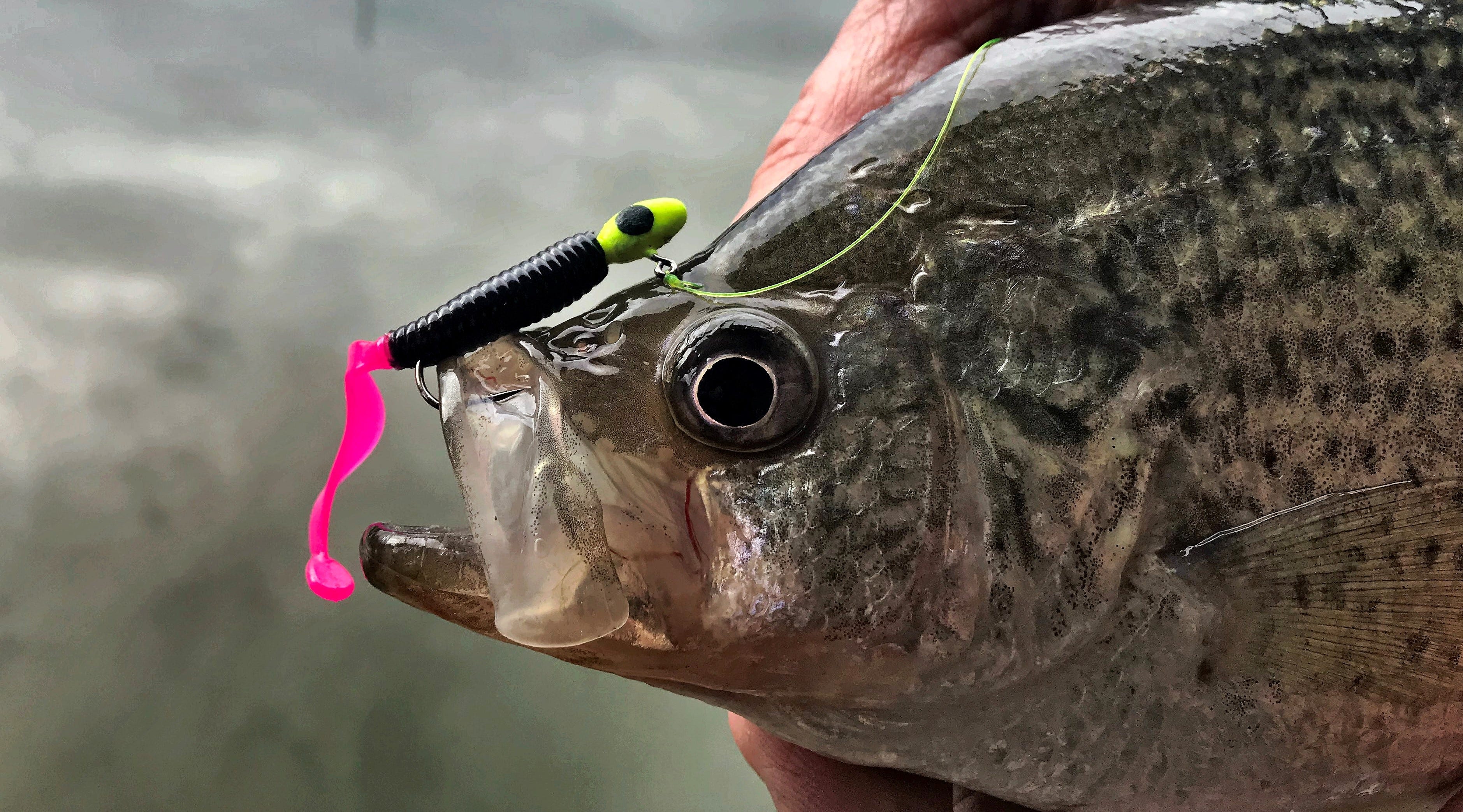
Crappie and baitfish are more active when water temperatures are high during the heat of summer, meaning both move a lot. Savvy anglers approach summer crappie fishing by mimicking the fleeing motion of baitfish, using “swimming” lures with lively tails.
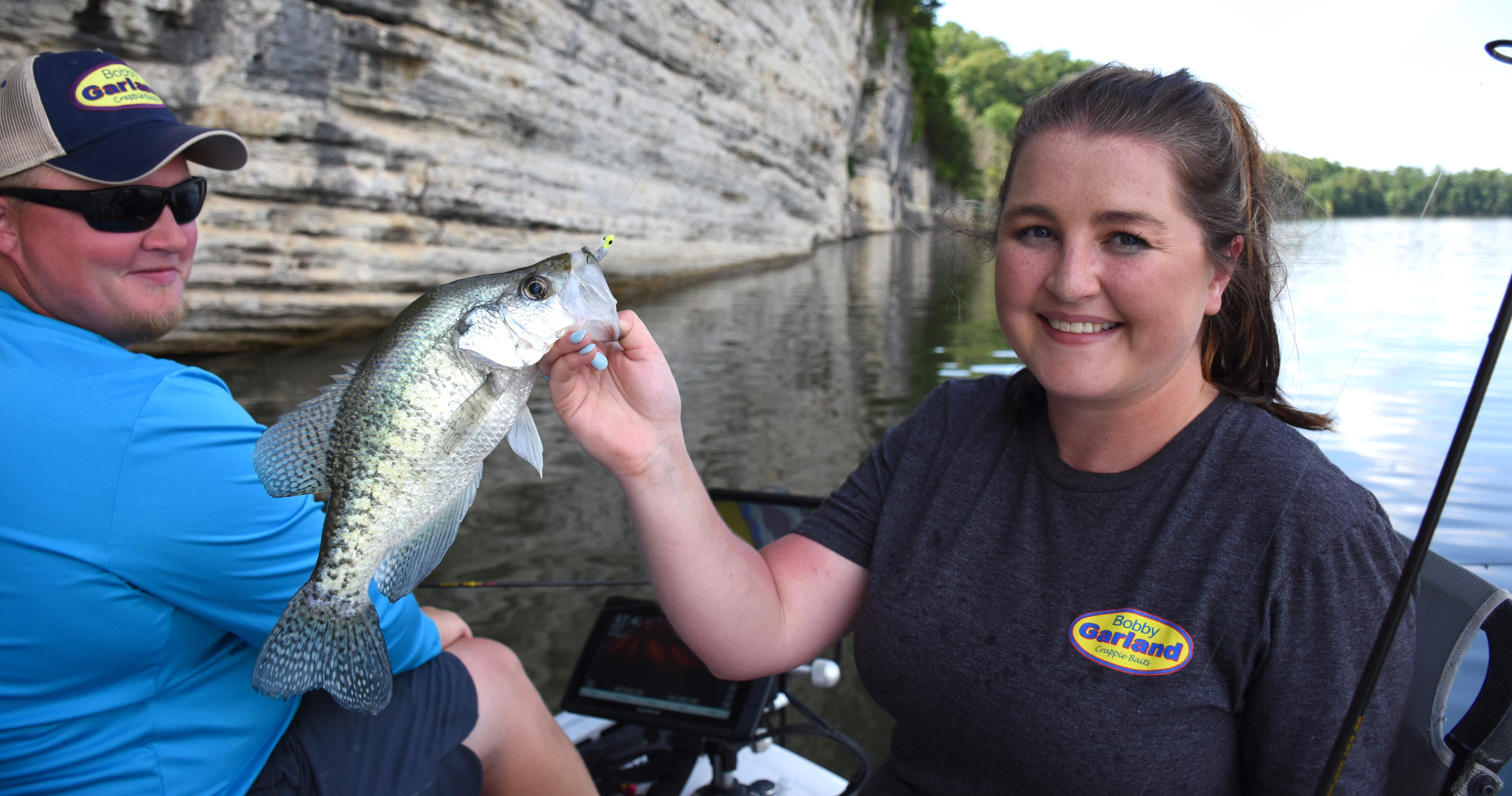
“A crappie’s metabolism this time of the year is really cranking, and they are eating more now than any other time,” said North Carolina tournament angler Stokes McClellan about summer crappie fishing. “Crappie are moving more so I think they like the tail action of those lures a lot better than they do in the wintertime when it is cold. The water temperature has lot to do with it.”
Mississippi guide Brad Chappell believes a swimming bait triggers more summer crappie fishing strikes. “It draws that instinct for crappie to bite something moving away from them,” Chappell said. “The tail on those baits creates more disturbance that actually just helps crappie locate the baits and gets their attention a little bit better.”
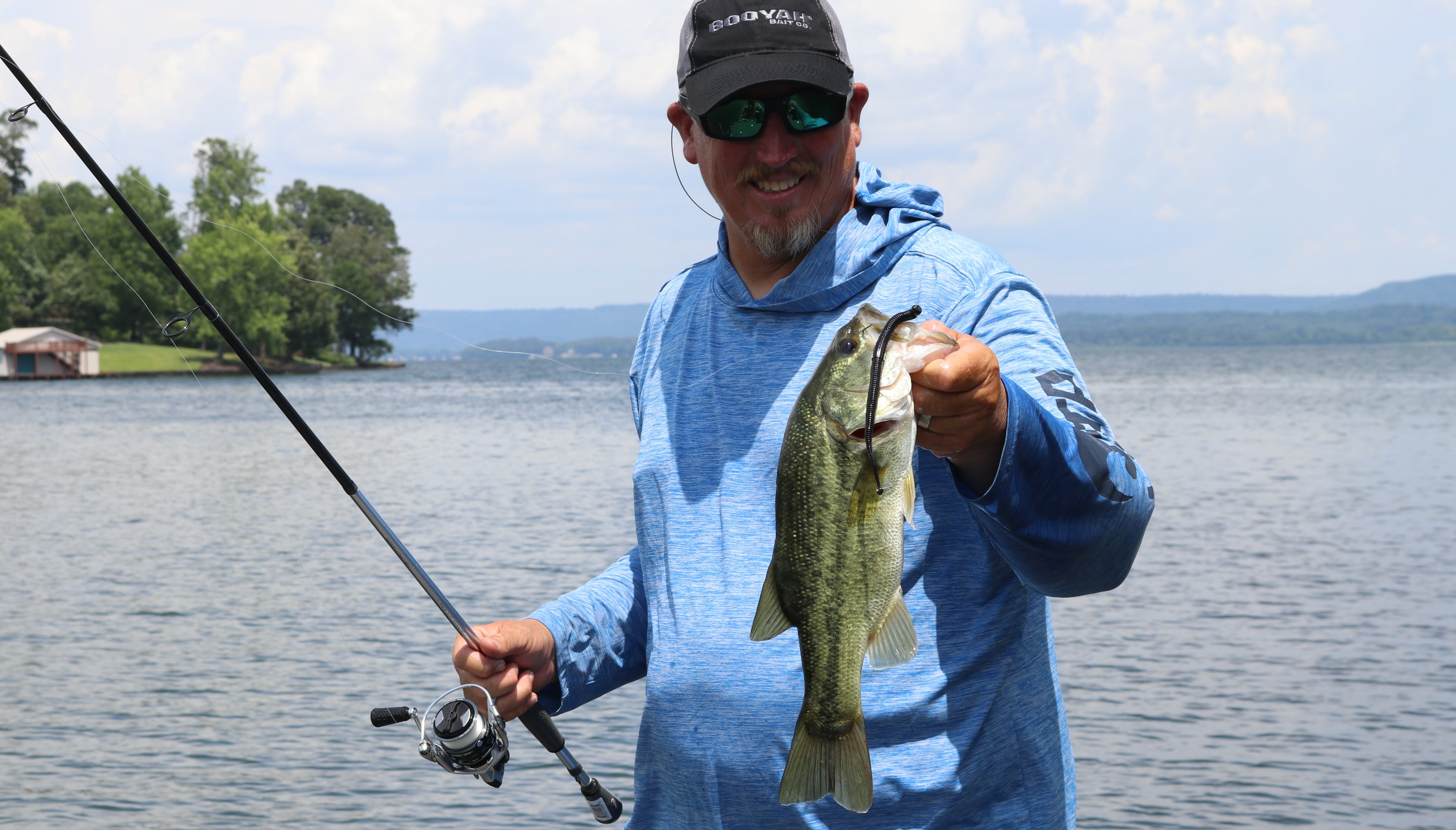
Don’t overlook the diversity and fish catching abilities of a plastic worm this time of year. We’ll examine top rigging options for summer.
Plastic worm fishing seldom gets a lot of attention in articles and videos about summer bass fishing. Other approaches are newer and flashier, and seemingly would provide an edge. Plastic worm fishing produces bass in a huge range of water types and conditions, though, and summer is prime time to put a worm to work in your favorite bass waters.
Plastic worms can go in places where many other bass fishing lures cannot, and the slender profile makes even a large worm look like easy prey for a bass. Worms are also less expensive than many other types of lures, and they are generally easy to fish. Let’s look at some of the best rigging options and presentations for summer plastic worm fishing.
If you’re not throwing these crankbaits for smallmouth bass, you’re missing some fabulous fish-catching opportunities. Learn why and when to use each.
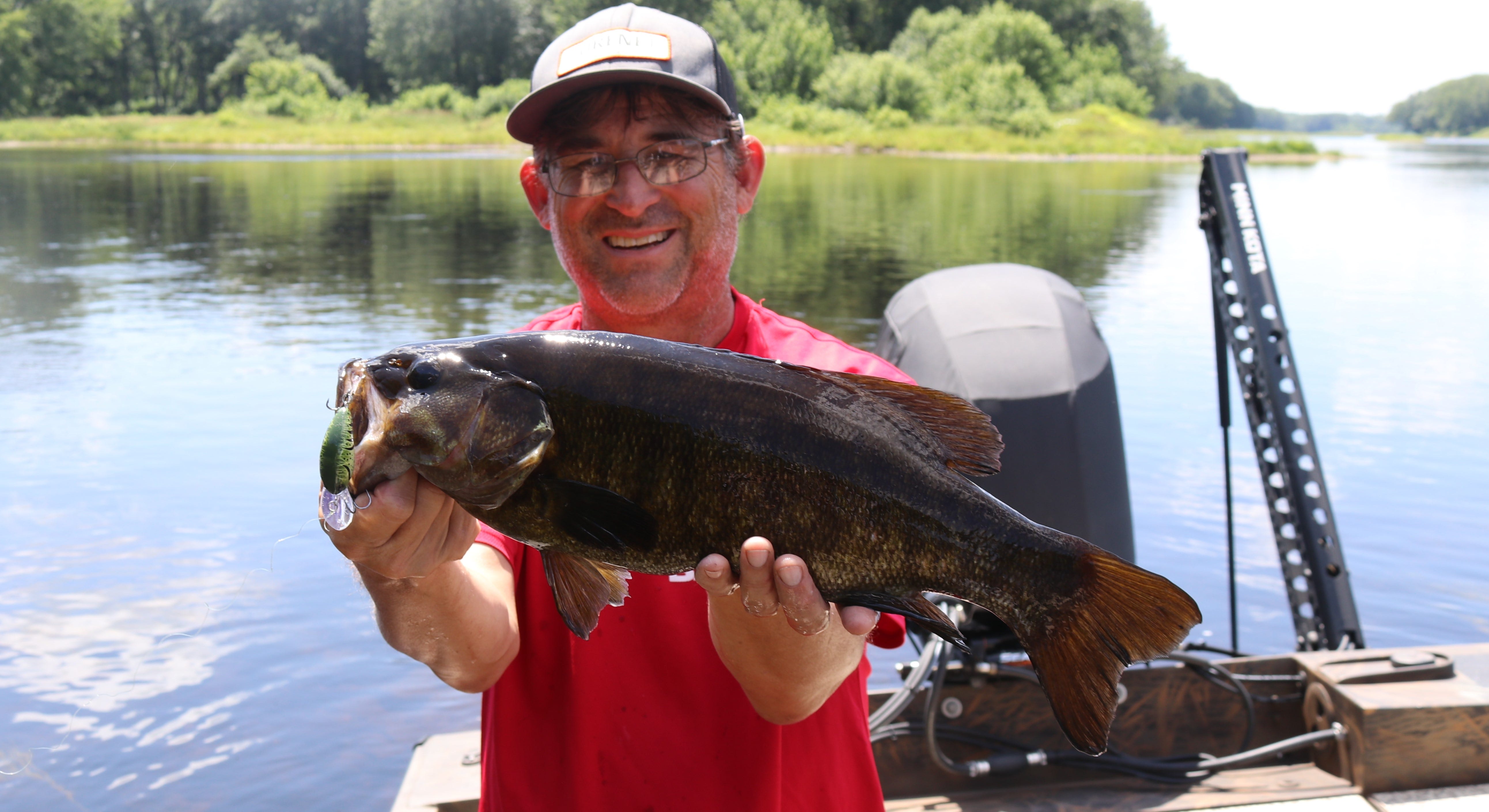
Hard-fighting, high-jumping river smallmouth bass serve up serve up spectacularly fun summer fishing, and a well-chosen and properly delivered crankbait is one of the finest lures available for covering water and prompting fast action from river bass. Not all crankbaits are created equal, though, and some of the best crankbaits for smallmouth bass in rivers are largely overlooked.
We will look at four of the finest crankbaits that you might not have considered for river smallmouth bass. Each is distinctive in its appeals and the specific situations where it tends to work best. A couple of colors each of these four crankbaits would provide the tools needed for a broad range of river smallmouth fishing situations.
Successful summer crappie fishing begins with finding the fish. Learn how two top anglers use bluffs to their advantage.
When we want to escape the heat of summer, we move into the cool confines of our air-conditioned homes. When crappie on reservoirs want cooler conditions, the fish head for bluffs.
Bluffs on impoundments are often along river channels, so the structure offers access to cooler, deeper water. The rock walls also provide hours of shade, creating cooler zone that is ideal for summer crappie fishing
Asked about summer crappie fishing tips, Texas tournament competitor Jeff Schwieterman noted his belief that rapid depth changes attract crappie to bluffs. “Crappie can quickly go to shallow water for feeding and then get to the deeper water for comfort,” he said.
Walking the banks of ponds or wading creeks and throwing topwater lures is a fun and easy way to find great summer fishing action.
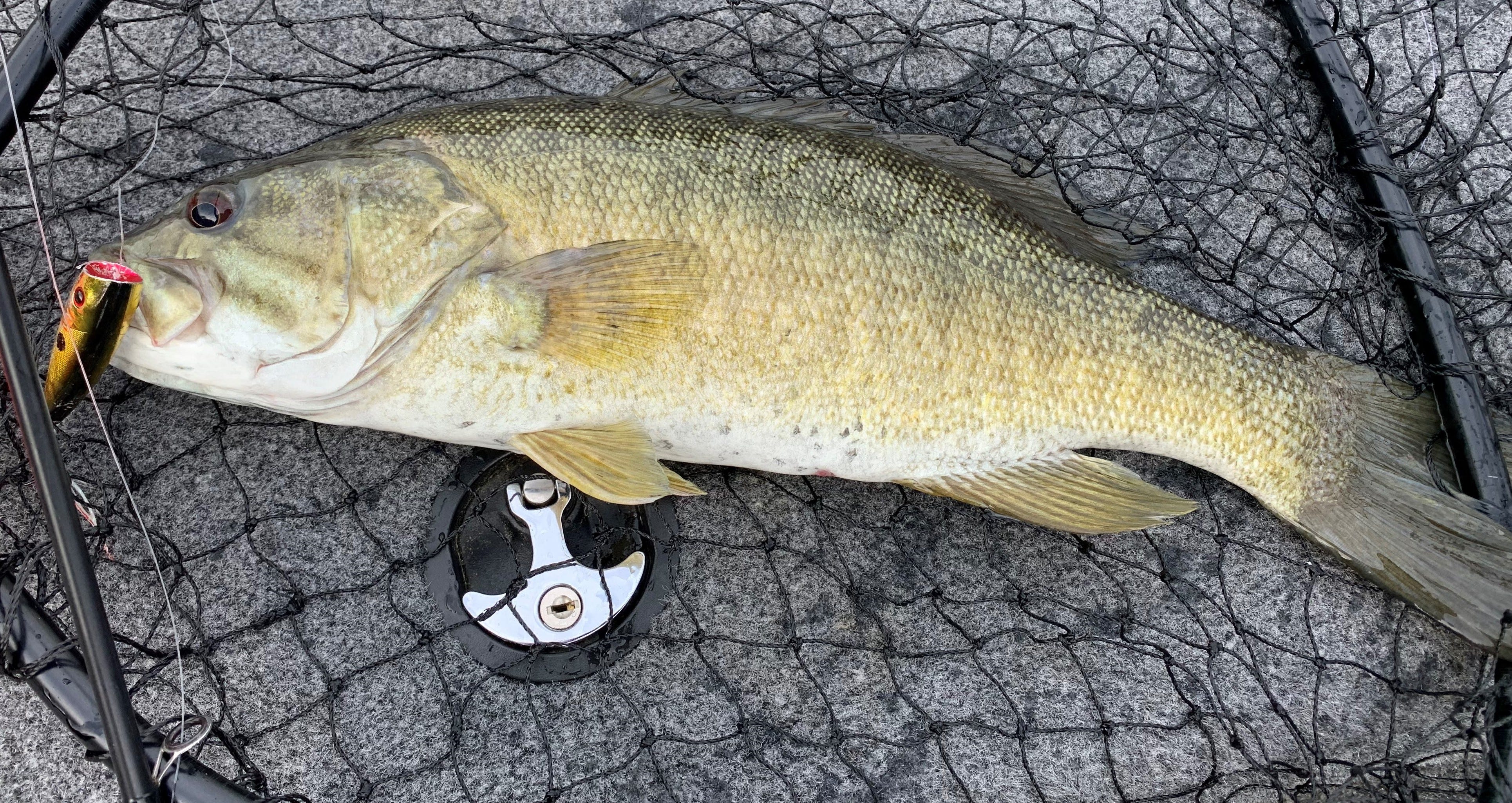
Bank fishing, creek fishing and topwater bass fishing rank among my favorite ways to fish, and during summer I often get to combine those things. It is a wonderfully simple approach, walking the bank of pond or wading up a creek and using topwater fishing lures, and good opportunities continue throughout summer and well into autumn.
Because I’m not launching a boat or running anywhere and the approach is very basic, this type of fishing lends itself to outings of any length. I can go for a few hours in the morning or close to dark and have plenty of time to find good fishing action.
If you ever scratch your head when your favorite fishing lure becomes a discontinued fishing lure and then hard to find, you’re not alone!
Making emotional decisions sometimes isn’t smart. Making emotional decisions when you are running a company can be downright dumb. So, call me dumb, but I made the emotional decision a few years ago to not allow my favorite topwater lure, the 2-inch BOOYAH Boss Pop, to become a discontinued fishing lure.
In the fishing lure business, we frequently have what we call a “discontinued list.” This means these lures for whatever reason didn’t sell enough over a certain period of time, so they end up becoming discontinued fishing lures.
Learn about spectacular new colors of a dozen proven Bomber crankbait models at a substantially lower price.
If “too much of a good thing” really was a problem, Bomber Lures would be in trouble. Not only has Bomber created fabulous new pro-designed colors for 10 of its most proven crankbait models, but technological advances have allowed Bomber to offer its next generation of Bomber Crankbaits at a substantially reduced price of $3.99, creating outstanding value on timeless baits.
Bomber crankbaits available in new colors and next gen versions include the Flat A, Deep Flat A and four models each from the Model A and Fat Free Shad series. The colors, created by legendary lure painter and former Elite Series Pro, Frank Scalish, all imitate important bass forage and were designed to meet specific niches.
Want easy fishing and fast summer fishing action for multiple species? Slip bobbers open excellent opportunities for mixed panfish catches.
What you never know with summer panfishing is what species will be at the end of the line when a slip bobber darts out sight. More certain – assuming decent location choices – is the notion that you will get to watch your bobber go under several times. Slip bobber fishing is a highly dependable way to tap into summer panfish fishing action, and it is an easy style of fishing that is fun for the entire family.
Anglers commonly associate most panfishing pursuits with spring and early summer and stop targeting bluegills, perch, crappie and other panfish species once mid-summer hits and the fish become less plentiful around shallow, shoreline cover. Those fish seldom move far, though. Most just slide a bit deeper to a weedline, brushpile or slight break, to the deep end of a dock, out a point or to the deep edge of a riprap bank.
Learn to locate summer bass on offshore structure and how to use deep-diving crankbaits to tap into hot fishing action throughout summer.
The heat of summer delivers a delightful thing to anglers. Bass schooled up on offshore structure. These fish will succumb to various lures, but nothing fires up a school quite like a crankbait! Master offshore bass fishing by learning to locate bass on deep structure and using deep diving crankbaits to tap into outstanding fishing action.
All About Location
The best deep diving crankbait fishing locations couple ideal structure with favorable cover. And, yes, there’s a difference.
Bass use cover wherever they can find it – shallow, deep or in between. Brushpiles, aquatic vegetation, trees, boulders, docks and even the occasional sunken automobile provide predator species like largemouth and smallmouth bass with concealment for ambushing baitfish and other forage, along with other advantages.
The Mayfly, a new crappie lure from Bobby Garland, effectively matches an aquatic insect but also can be used to suggest other crappie forage. Learn more about this innovative new bait.
Google “what do crappie eat,” and you’ll surely tire, reading through the seemingly endless results. Instead, let me summarize what pops up most: insects, crustaceans, minnows and shad. That science explains why Bobby Garland’s newest soft-plastic bait, the Mayfly, borrows a few traits from each of the crappie’s favored menu items in its innovative design.
By name alone, the Mayfly lure is clearly an imitation of the common aquatic insects found in lakes, streams and creeks throughout North America. Whether in the larval stage and under water or emerged as a winged adult Mayflies have legs, an elongated and segmented body, and two or three threadlike “tails” (officially called cerci). In either form, black and white crappie find Mayflies irresistible. Of the two crappie species, black crappie exhibit a special fondness for insects in their overall diets.
“Profile” has become the new buzzword in crappie fishing, thanks in large part to forward-facing sonar. The technology has opened anglers’ eyes through real-time viewing of what’s happening below in the interaction between crappie and lures in various situations and seeing the importance of a crappie lure’s profile.
Popping corks serve several important functions for inshore fishing and can be used with artificial lures or natural bait. Learn to get the most out of these highly useful tools.
Few occurrences capture fishing fun quite like a float darting out of sight when a fish grabs a bait. The same thing is true whether you’re talking about a balsa pencil float disappearing when bluegill grabs a cricket or when a large saltwater popping cork gets yanked under by a redfish plowing a soft-plastic minnow.
In that sense, a popping cork, like a Bomber Paradise Popper X-Treme, is really just a big bobber. Used properly, though, a popping cork does far more than let you know when redfish or speckled trout takes your bait. It helps deliver offerings to the best areas, suspends them in the strike zone, calls fish from afar and urges the gamefish into feeding mode.
We’ll examine the situations that lend themselves well to using a popping cork and then dig into how and how to rig popping corks and fish them effectively.
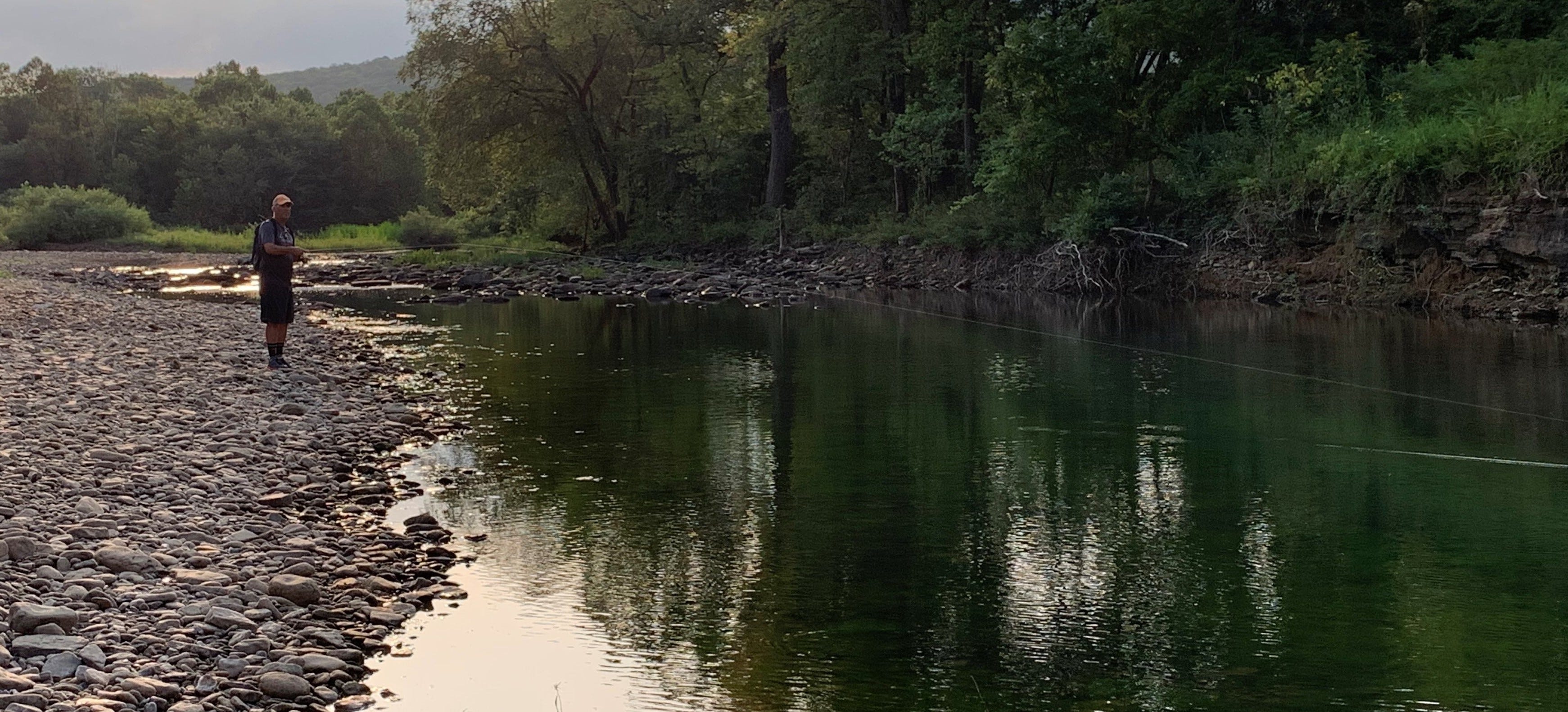
Want to find hot fishing action this summer? Follow these tips formed from many years of wade-fishing in streams and learn how to catch more fish.
It’s never too hot to go fishing, especially when you are wade-fishing streams. Even when the temps reach more than 100 degrees, stream fish will still bite. They were designed to eat!
Here are a few rules of thumb to help you catch fish during the heat of summer while wade fishing.