Learn to locate summer bass on offshore structure and how to use deep-diving crankbaits to tap into hot fishing action throughout summer.
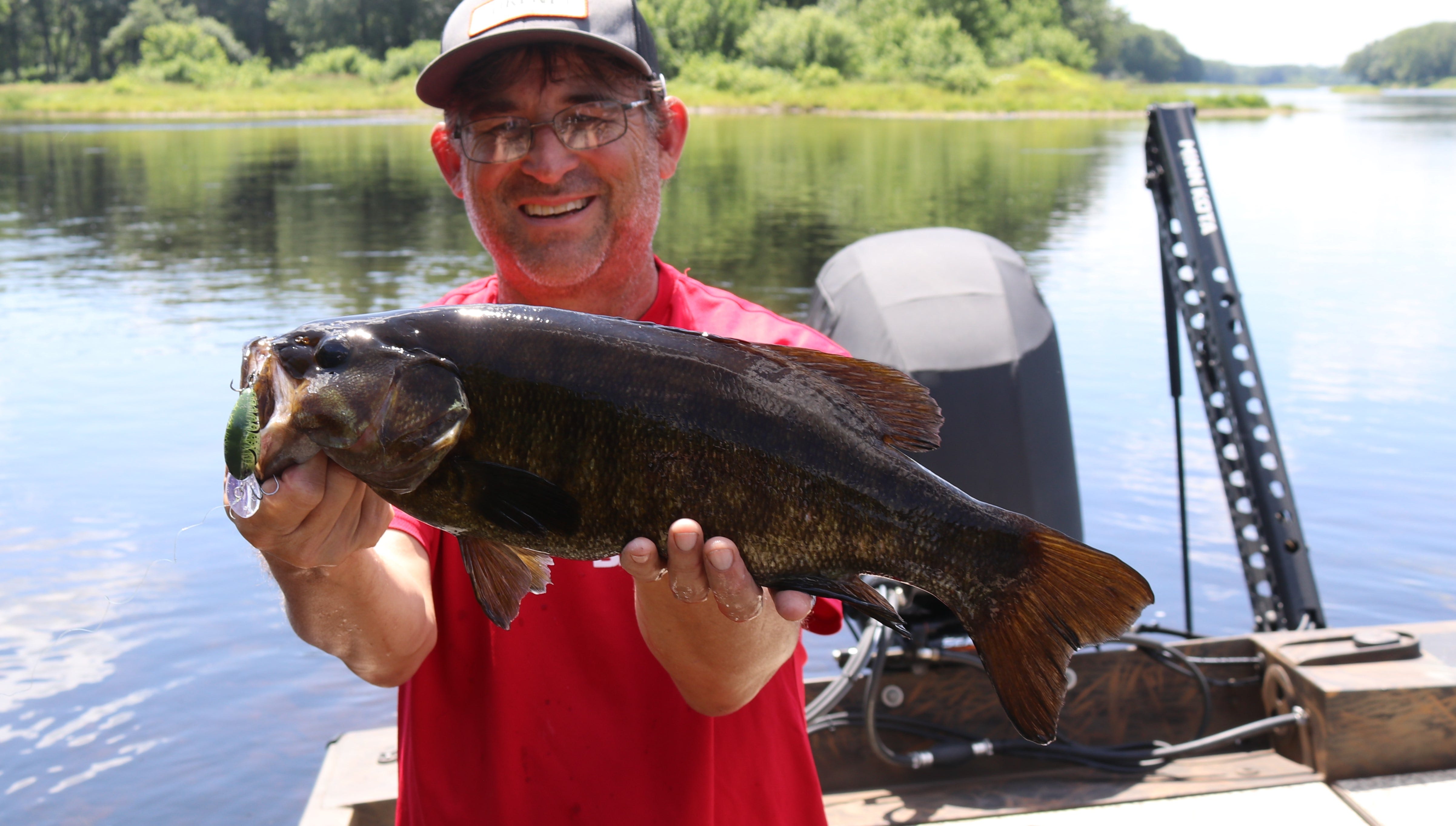
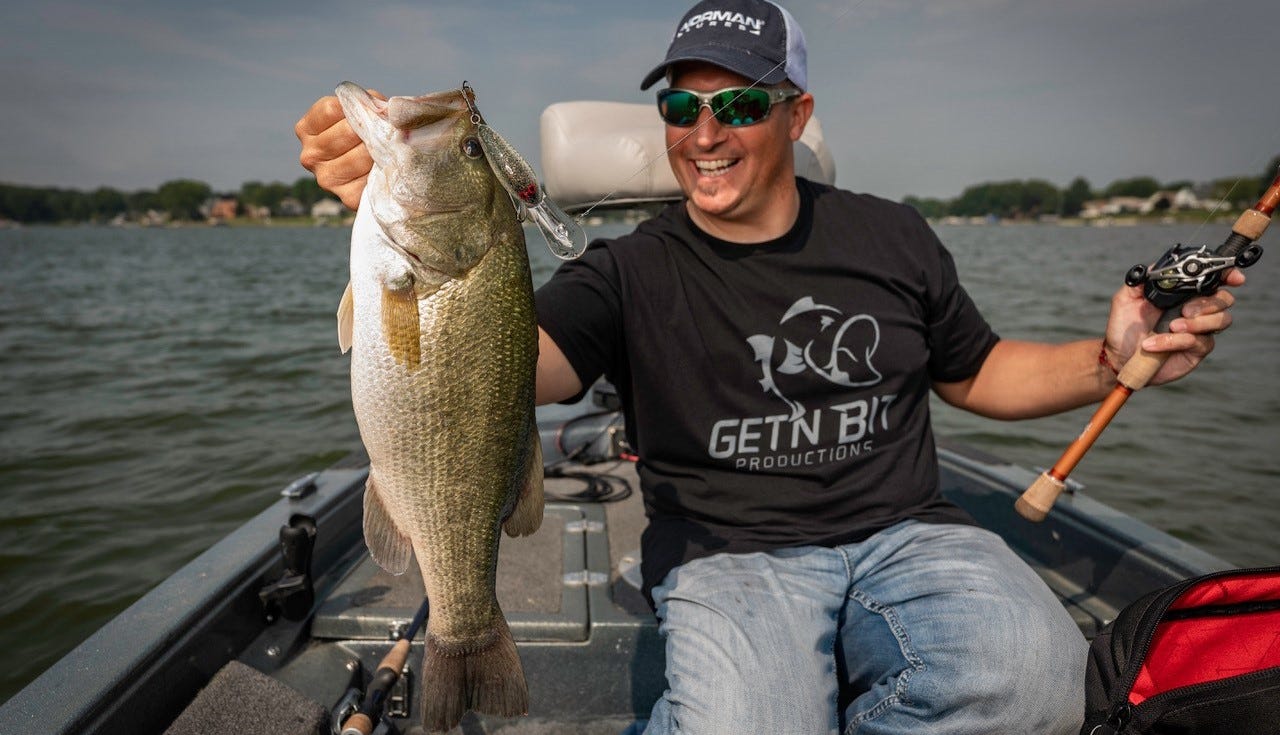
The heat of summer delivers a delightful thing to anglers. Bass schooled up on offshore structure. These fish will succumb to various lures, but nothing fires up a school quite like a crankbait! Master offshore bass fishing by learning to locate bass on deep structure and using deep diving crankbaits to tap into outstanding fishing action.
All About Location
The best deep diving crankbait fishing locations couple ideal structure with favorable cover. And, yes, there’s a difference.
Bass use cover wherever they can find it – shallow, deep or in between. Brushpiles, aquatic vegetation, trees, boulders, docks and even the occasional sunken automobile provide predator species like largemouth and smallmouth bass with concealment for ambushing baitfish and other forage, along with other advantages.
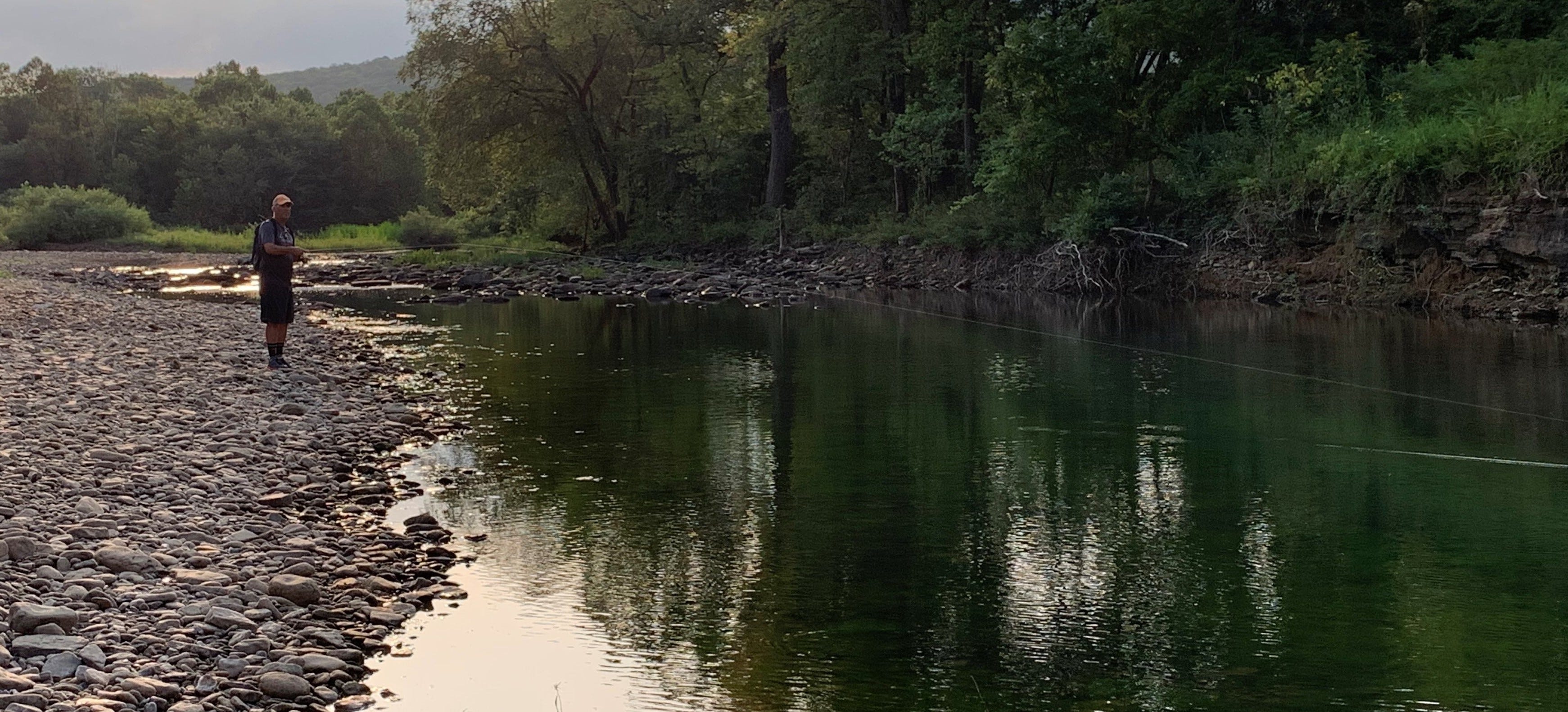
Want to find hot fishing action this summer? Follow these tips formed from many years of wade-fishing in streams and learn how to catch more fish.
It’s never too hot to go fishing, especially when you are wade-fishing streams. Even when the temps reach more than 100 degrees, stream fish will still bite. They were designed to eat!
Here are a few rules of thumb to help you catch fish during the heat of summer while wade fishing.
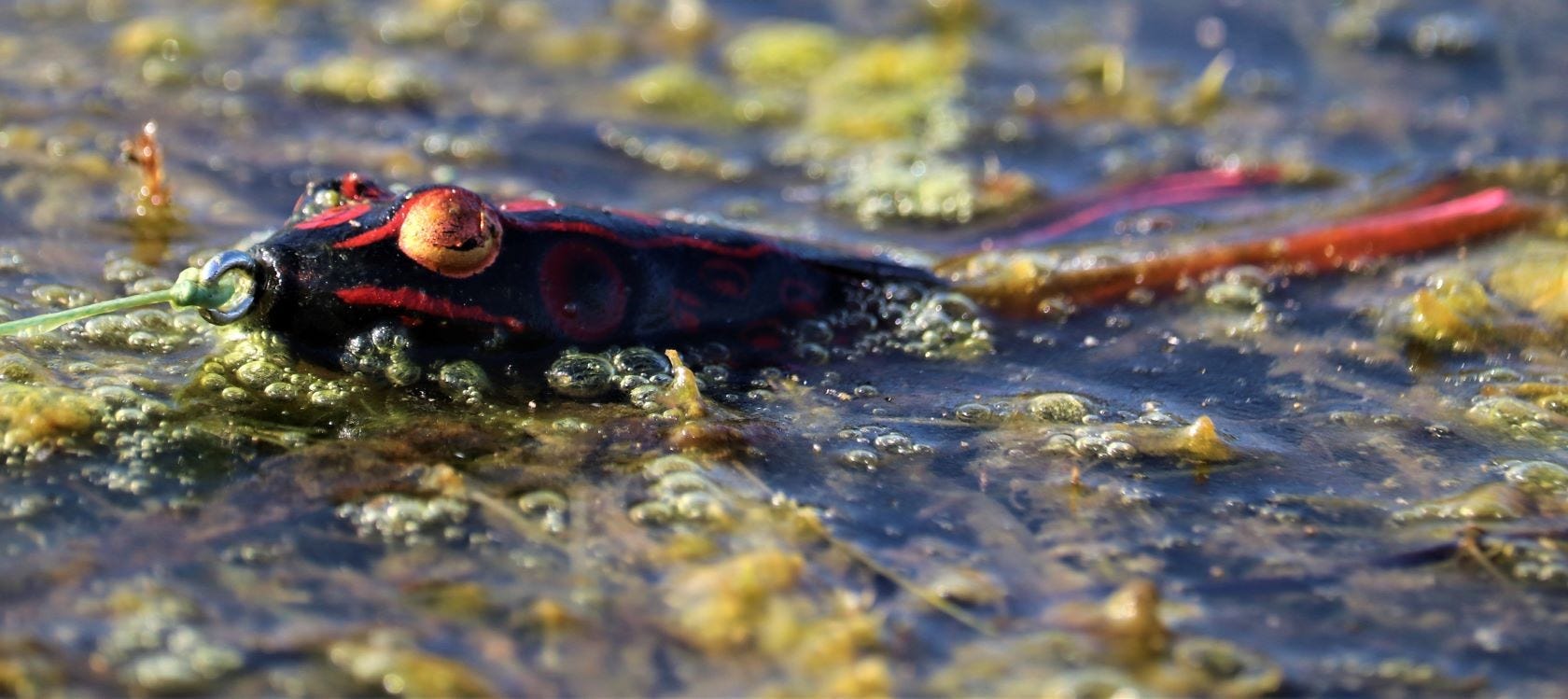
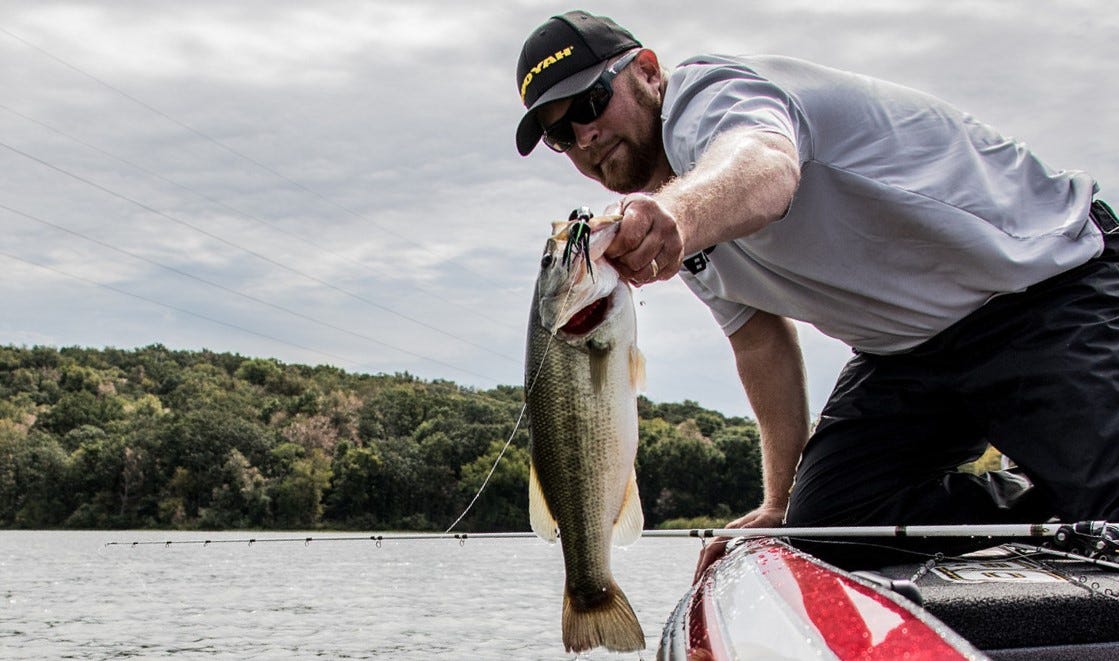
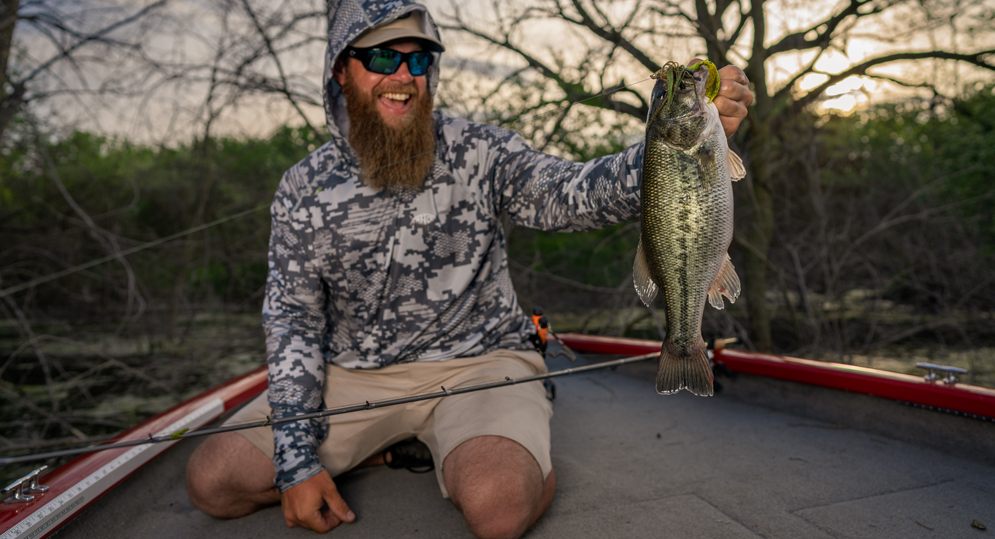
Frog baits, which call up some of the most explosive action in bass fishing, come in a range of sizes and styles. Learn to choose the best frog for the day.
Sudden, violent surface strikes are the trademark of frog lure fishing and a major appeal of this style of fishing. As importantly, though, frogs are exceptionally productive and prompt outstanding bass action in broad range of situations from mid-summer all the way until the end of autumn.
Ongoing advancement of frog lures in recent years has added even more applications for tying on a frog. Looking at the BOOYAH Pad Crasher series, as an example, what began with a single, hollow-bodied frog now includes six different frog lures, each of which is available in broad range of colors.
Primary styles include the original Pad Crasher, the Poppin’ Pad Crasher, which has a cupped face that pops and spits, and the Toad Runner, which has spinning plastic tail that churns the water like a buzzbait. All three primary styles also come in a smaller Jr version.
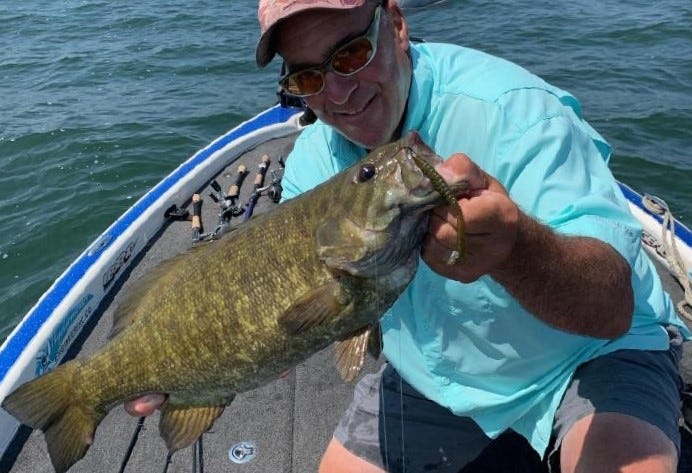
Frank Scalish shares secrets from a lifetime of targeting smallmouth bass on the Great Lakes and large inland lakes.
When Frank Scalish competed on the Bassmaster Elite Series tour, he was known for his ability to catch smallmouth bass. He did especially well with this species on the Great Lakes and on large, inland, natural lakes, such as Lake Champlain. A lifetime resident of northern Ohio, Scalish has never lived more than a short cast from Lake Erie, one of the nation’s premier smallmouth fisheries.
He has fished Erie regularly throughout his adult life and has the equivalent of a PhD in finding and catching Erie smallmouth. He is especially erudite about how glaciers created the rocky bass habitat on the lake’s bottom. This knowledge has helped him catch big-water smallies wherever he casts for them in North America.
Learn how to choose the best bass jig for every situation and how to work your jig to catch the most bass.
Throughout bass history, jigs have enjoyed designation as a big fish bait. Recent years have seen an ever-growing diversity that has yielded a broad selection of bass fishing jigs – including jigs that range from the versatile to task-specific.
To help anglers dial in the right tool for the right job, the Lurenet Jig Manual removes the guesswork. This interactive bass lure selection chart factors in cover, water color and water temp and recommends specific bass fishing jigs.
Such well-studied direction will, no doubt, prove helpful in guiding anglers to the bait that’s built for a given scenario. However, a little dockside conversation can go a long way. Sometimes, it’s just good to hear what another angler ties on for scenarios similar to those of you might encounter.
Learn how top swim jig anglers select trailers and how to swim a jig for bass and find great success.
Swimming a jig for bass is nothing new. Just ask Chris Jones.
“I started swimming a jig with my dad in the late 1980s and early ‘90s on Lake Fork,” said Jones, a pro angler who has racked up 28 Top 10 finishes in MLF competition. “Back then, the technique wasn’t lure specific. We just swam the jigs we had. We flipped to a bush or laydown, reeled it back…A fish would hit! We didn’t know we were ‘swimming a jig’ until later on.”
Times have changed, and so has the swim jig, today fashioned to function and epitomized in the BOOYAH Mobster Swim Jig.
A variation of the original Biffle Bug, the newest offering from Gene Larew was created specifically for flipping and pitching applications.
Tommy Biffle has been flipping a Biffle Bug since Day 1 of the iconic bait that bears his name. If fact, he was flipping and pitching a Biffle Bug into cover before the creation of the Biffle HardHead that he most commonly matches with a Bug. And while he still flips the original Biffle Bug and catches big bass that way, for some time now, he has wanted a creature bait built from the Biffle Bug template and designed specifically for flipping and pitching.
Folks at Gene Larew knew to listen to Biffle and worked with him to create the bait he was seeking. The result was the new Flipping Biffle Bug!
The Disco Ball Pad Crasher offers plenty of flash and an outstanding shad imitation, filling an important niche for late spring, summer and fall bass fishing.
You’ve seen how a disco ball splashes color across a dance floor. The Disco Ball Pad Crasher does the same with reflected light and the lake bottom. Doing its enticing dance, this bait suggests a distressed shad scurrying across the surface and is too much for bass to resist.
Disco Ball does not look like a typical frog, yet it’s an outstanding fit for the BOOYAH Pad Crasher. Let’s examine why BOOYAH has introduced the Disco Ball color and how you can use it to catch more fish from now through the end of autumn.
The traditional wacky rig, neko rig and flick shake rig are similar in ways, but each is distinctive. Learn when to choose each and how to use all to catch more bass.
You know the wacky rig, and you’ve likely at least heard talk about the neko rig and flick shake rig. You may not know that neko and flick shake rigs are variations of a wacky rig, each with different applications but with definite similarities.
Seeking a better understanding of these three highly effective rigs and when to use each for early spring bass fishing, we went straight to Frank Scalish, best known in the bass fishing world as Uncle Frank. The popular host of Day 4 on Bass Talk Live and former Bassmaster Elite Series pro uses all three rigs at times, with the depth of the water he is working being the largest determinant of which one he picks up.
Learning more about crawfish colors based on region, conditions and season can help you catch more bass.
Former Bassmaster Elite Series pro Frank Scalish, who now designs baits for Norman Lures and other brands available on Lurenet.com, is fanatical about matching the hatch. An artist with an airbrush, the Ohioan obsesses over paint colors and schemes that precisely mimic whatever forage the bass favor. Scalish’s attention to every detail and deep experience make him the ideal Bass Fishing 101 instructor on the topic of crawfish colors.
When Scalish creates crawfish colors for crankbaits, he becomes especially dogmatic because he strives to replicate the various crayfish species in different regions of the country.
“Certain crayfish dominate in certain parts of the country,” Scalish said. “For example, crayfish in Texas and Louisiana are all variants of red. The rusty crayfish is native to the Ohio River Basin. It has rust or orange-colored makings on its sides. The rest of that craw is green pumpkin or an almost blackish green pumpkin.”
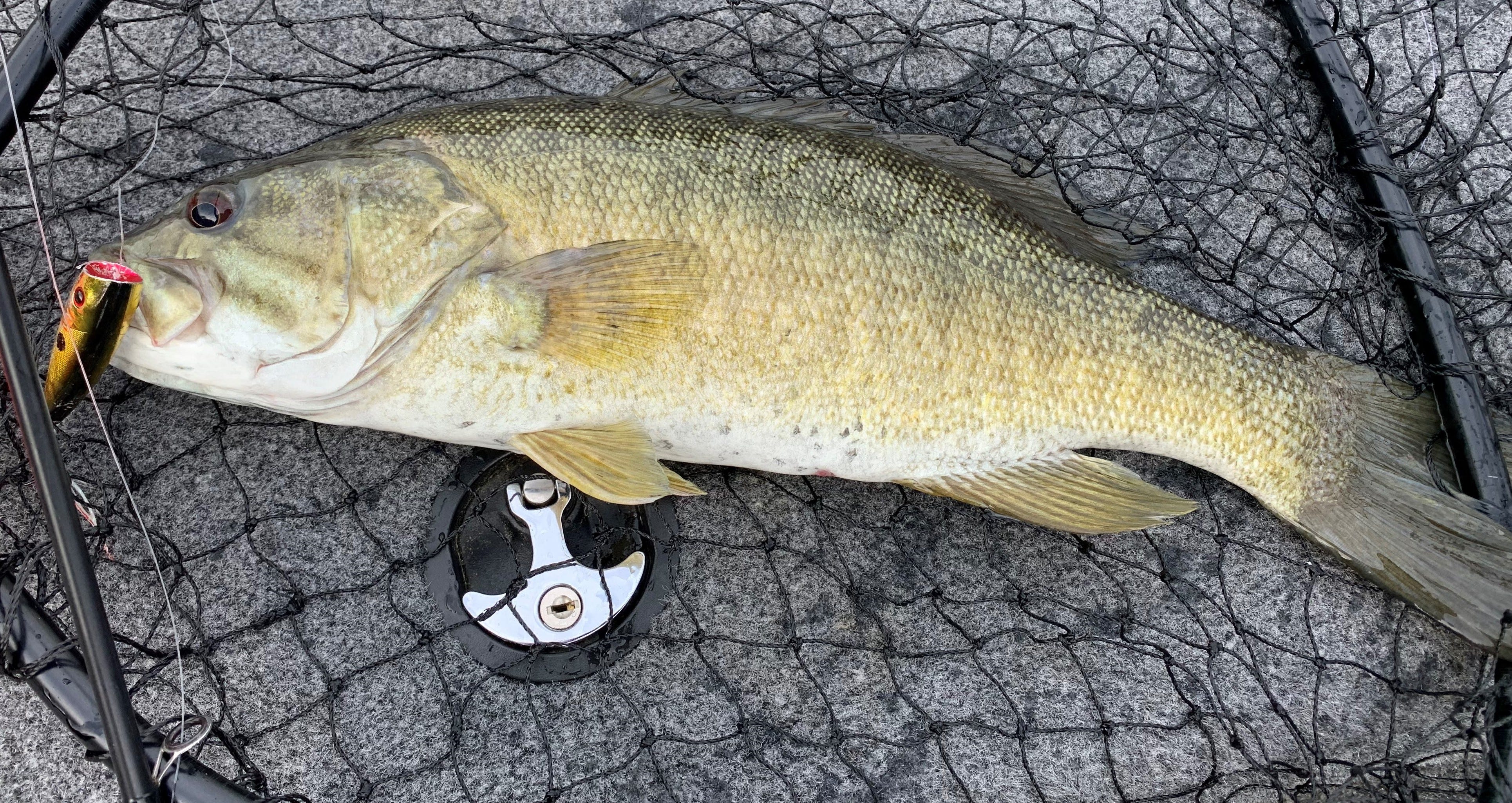
Spring awakens exciting topwater bass fishing opportunities, and a Pop-R is ideal for igniting the action in many situations.
Spring means different things to different people. Some think about baseball, azaleas blooming or the Masters. In the minds of many bass fishermen, springtime is Rebel Pop-R time.
Bassmaster Elite Series pro Stetson Blaylock is one such angler. He has fished a Rebel Pop-R during the pre-spawn and spawning periods for many years, and a few springs back a Pop-R delivered him 1st and 2nd place finishes in consecutive Elite Series events.
It’s not that a Rebel Pop-R doesn’t produce excellent action all summer and through the fall. It does. Spring has extra virtues that make it especially good, though, along with being the time when the Pop-R bite first heats up each year.
Learn when topwater bass fishing calls for a finesse approach and how to downsize effectively to catch more fish.
I’ve fished the Zara Puppy for many years. It stands as one of my favorite topwater bass fishing lures for catching smallmouths and spots from creeks and small rivers. I’ve rarely tied one on to target bass in large rivers or lakes, though, because the Pup lacks the weight to cast efficiently on the tackle I favor for those settings and because the hooks and hardware are a bit small for bigger bass.
I typically choose a Super Spook Jr when I want to walk the dog for bass with a finesse topwater lure in bigger water, and often the Junior size provides the perfect answer. At times, though, I’ve wished I’d had even more of a finesse topwater lure that still could be cast efficiently and that was made as tough as the Super Spook Jr.
Seemingly, I was not alone. The folks at Heddon Lures heard about the need for such a topwater bass fishing lure enough times over the years to put engineers to work designing a new Spook. The result was the creation of the Super Spook Boyo, which is only 3 inches long but is built tough like the other Super Spooks.