Free U.S. Shipping: Orders Over $35

Freshwater Fishing

Lure Selection Strategies – Pro’s Guide on How to Choose the Right Bass Fishing Jig

Learn how to choose the best bass jig for every situation and how to work your jig to catch the most bass.

Throughout bass history, jigs have enjoyed designation as a big fish bait. Recent years have seen an ever-growing diversity that has yielded a broad selection of bass fishing jigs – including jigs that range from the versatile to task-specific.

To help anglers dial in the right tool for the right job, the Lurenet Jig Manual removes the guesswork. This interactive bass lure selection chart factors in cover, water color and water temp and recommends specific bass fishing jigs.

Such well-studied direction will, no doubt, prove helpful in guiding anglers to the bait that’s built for a given scenario. However, a little dockside conversation can go a long way. Sometimes, it’s just good to hear what another angler ties on for scenarios similar to those of you might encounter.

Read more

Posted in Freshwater Fishing, Bass Fishing Tips and Bass Fishing Tips

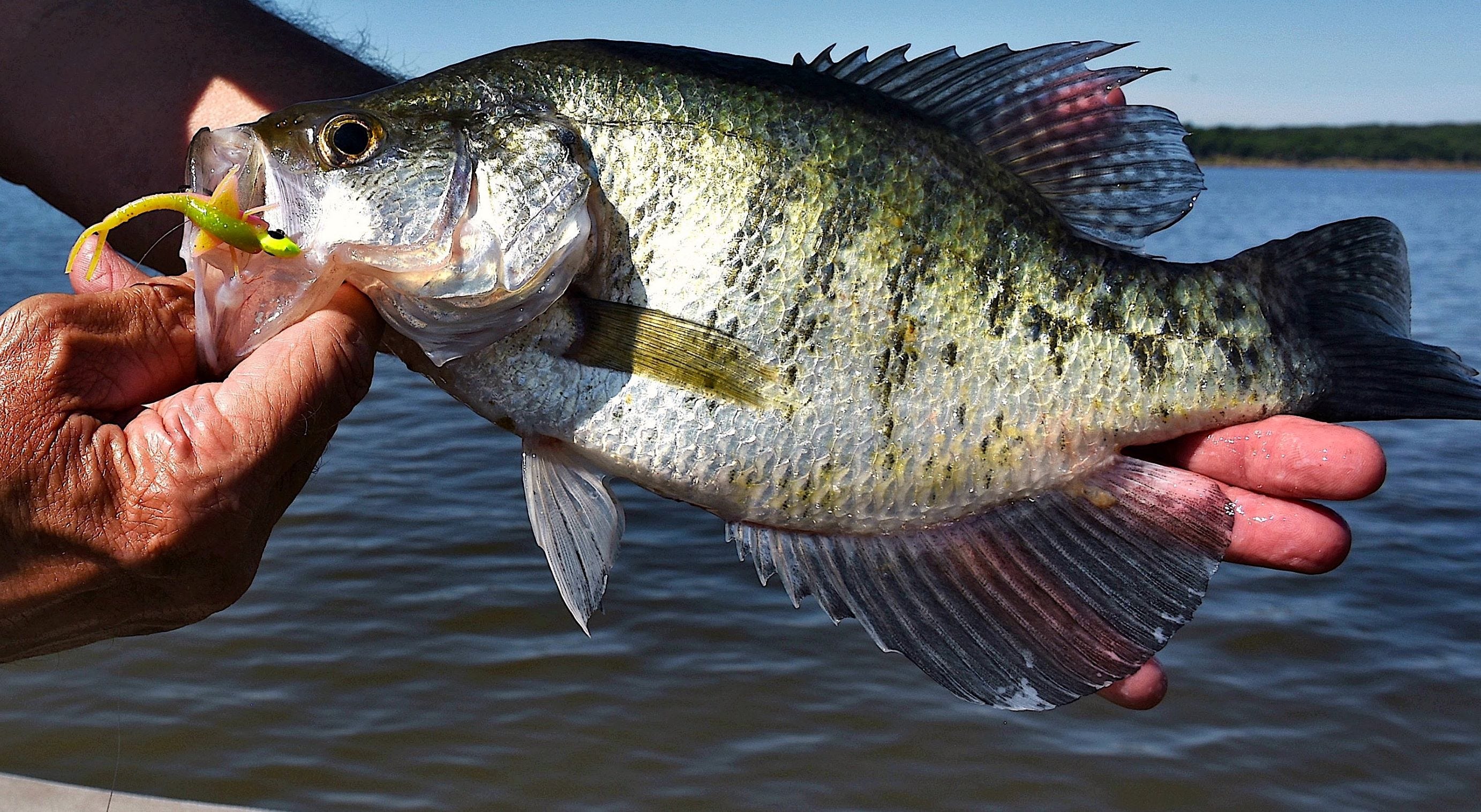
Learn How Crappie See

Understanding how crappie see things can help you make better lure selections and more effective presentations.

Reprinted with permission from In-Fisherman, the following excerpt about a crappie’s vision is taken from “Making Sense of Crappie Behavior,” an article written by Steve Quinn that appeared in the In-Fisherman 2015 Panfish Guide. We feel the timeless knowledge is a real eye-opener as to just how much crappie depend on sight for their feeding preferences, and therefore wanted to share the information again here.

(Text is exactly as it appears in the article. Photos courtesy of Bobby Garland Crappie Baits)

Making Sense of Crappie Behavior

Biological Keys to Triggering a Hot Bite

By Steve Quinn

Watching crappies move under water demonstrates their cautious deliberate style that makes, at times, for the fastest fishing imaginable. Other times they leave us baffled, wondering where they went or why they won’t bite.

Read more

Posted in Freshwater Fishing, Crappie Fishing Tips and Panfishing Tips

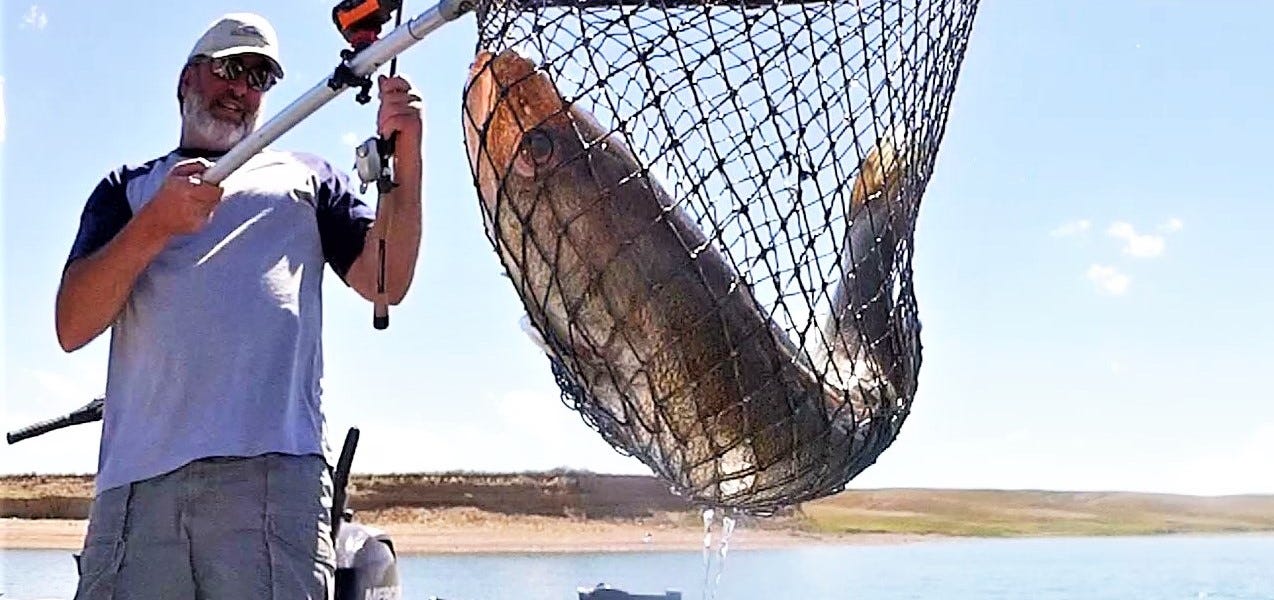
Swim Jig Combinations for Bass (How, When & Where to Use Them)

Learn how top swim jig anglers select trailers and how to swim a jig for bass and find great success.

Swimming a jig for bass is nothing new. Just ask Chris Jones.

“I started swimming a jig with my dad in the late 1980s and early ‘90s on Lake Fork,” said Jones, a pro angler who has racked up 28 Top 10 finishes in MLF competition. “Back then, the technique wasn’t lure specific. We just swam the jigs we had. We flipped to a bush or laydown, reeled it back…A fish would hit! We didn’t know we were ‘swimming a jig’ until later on.”

Times have changed, and so has the swim jig, today fashioned to function and epitomized in the BOOYAH Mobster Swim Jig.

Read more

Posted in Freshwater Fishing, Bass Fishing Tips, Bass and Bass Fishing Tips

Is the Crappie Spawn Over?

Learn how expert crappie angler recognize the end of the spawn and how they adjust fishing approaches to continue catching spring crappie.

Cold fronts have shut down the shallow-water action on certain days, but most of the time, the crappie have been aggressive and attacked nearly anything thrown near their spawning beds. However, in the last few days the shallow-water bite has been tapering off, so you begin to wonder whether those fish you were catching along the spawning banks have been wiped out by fishing pressure or if the crappie have quit spawning.

Crappie guides and tournament veterans look for certain signs to determine if the spawn is entering its final stage.

Read more

Posted in Freshwater Fishing, Crappie Fishing Tips and Panfishing Tips

Spring Walleye Fishing Tactics: Locating, Jigging & Rigging Early Season Eyes

Locating high potential walleye areas and choosing the most effective bait presentations will increase your opportunity to enjoy great early season walleye action.

Spring walleye fishing can produce of the best walleye action of the year in the upper northern US and southern portions of Canada. Water temperatures are rising, and the fish are starting to move shallow for their yearly spawning cycle. This cycle can start weeks prior to the actual spawn and can stretch a week or two after walleye have spawned out. Spring walleye fishing can produce tremendous action, but timing the bite is important and a few key factors can help you determining when to hit the water and when to wait.

Once female walleye spawn out, they transition between the spawning locations and summer hunting grounds. This tends to be the most difficult period for many walleye anglers. Knowing how to recognize the “fish highways” during the transition will give you the upper hand on the walleye.

Read more

Posted in Freshwater Fishing, Walleye and Walleye Fishing Tips

Gene Larew Introduces Flipping Biffle Bug

A variation of the original Biffle Bug, the newest offering from Gene Larew was created specifically for flipping and pitching applications.

Tommy Biffle has been flipping a Biffle Bug since Day 1 of the iconic bait that bears his name. If fact, he was flipping and pitching a Biffle Bug into cover before the creation of the Biffle HardHead that he most commonly matches with a Bug. And while he still flips the original Biffle Bug and catches big bass that way, for some time now, he has wanted a creature bait built from the Biffle Bug template and designed specifically for flipping and pitching.

Folks at Gene Larew knew to listen to Biffle and worked with him to create the bait he was seeking. The result was the new Flipping Biffle Bug!

Read more

Posted in Freshwater Fishing, Bass Fishing Tips and Bass Fishing Tips

Top Bank Fishing Strategies for Spring Crappie

Spring brings some of the year’s best opportunities for crappie fishing from the bank. Learn how to find and catch more crappie with a shoreline approach.

Everything looked perfect for bank fishing for crappie. The water color, bottom makeup, bank slope and cover mix all seemed ideal. The only thing missing was the crappie – at least any crappie that were willing to bite!

So, I began walking and casting, targeting scattered laydowns and stumps and making “search” casts between pieces of cover. Maybe 100 yards from my starting point the chunk rock along the lake’s edge turned to gravel and the bank got a little flatter. Scattered wood a modest cast’s distance from the shore seemed shallow but looked inviting for crappie fishing.

I clipped a spring float about 18 inches from my jig and cast tight to the first piece of wood. The float barely got upright before racing sideways, and I set the hook into a solid crappie. Repeating that cast produced the same result. Twice. The next piece of wood produced a repeat performance. I had found the right set up, setting the stage a fun day of bank fishing for crappie.

Read more

Posted in Freshwater Fishing, Crappie Fishing Tips and Panfishing Tips

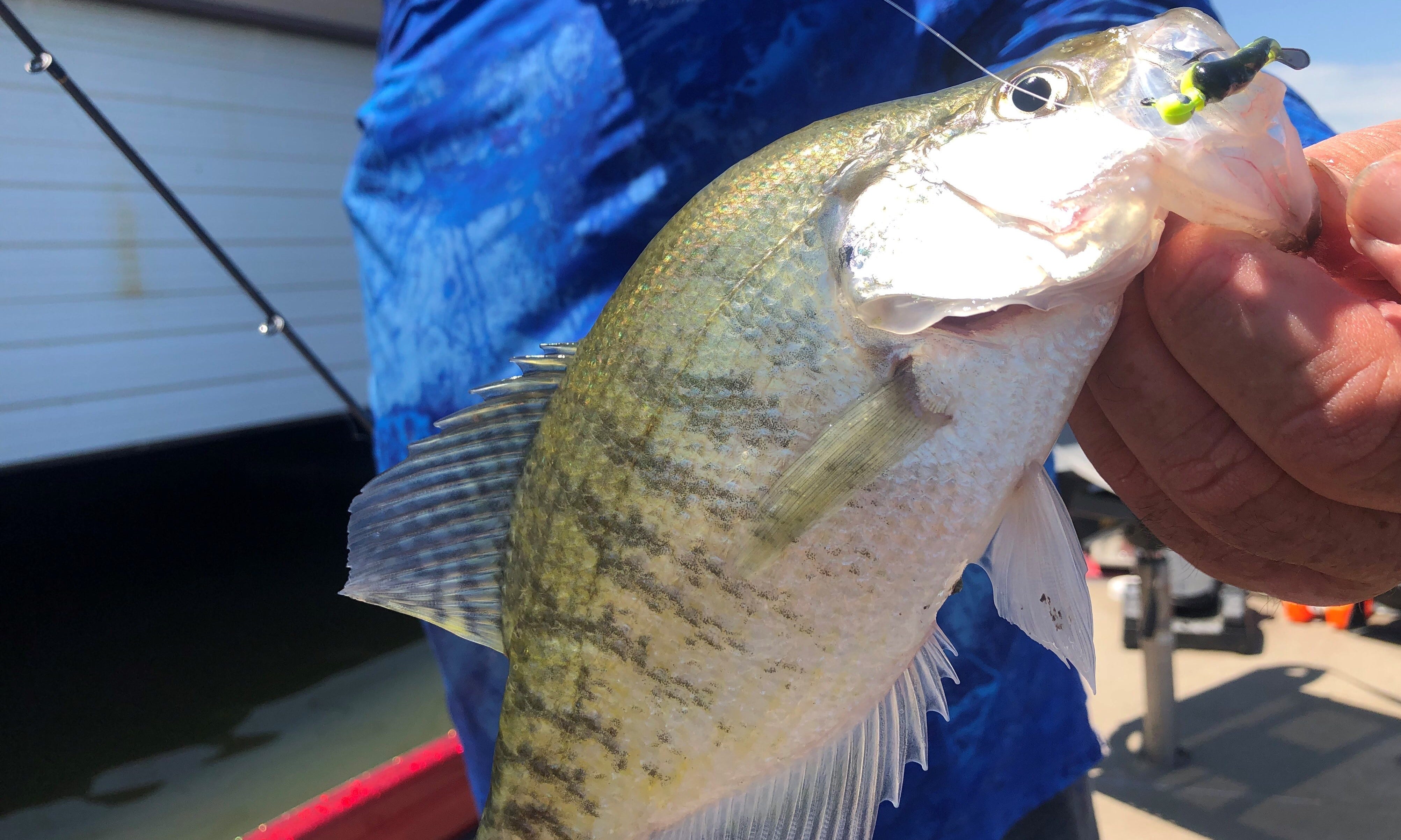
How to Choose the Right Jighead for Crappie Fishing

Different crappie fishing jigheads vary in many ways. We’ll examine important variables and tell how to choose the best jighead for every situation.

Glitzy soft-plastic crappie lures, with their fish-catching designs and colorful identities, get the glory in crappie fishing while the journeyman jighead silently tags along but does the heavy lifting – literally.

Success draws attention, and that is certainly the case when a splashing livewell or basket full of slabs echoes loudly and proudly across the boat ramp or dock at the end of an outing. All ears within hearing distance strain to hear the answer when someone dares ask, “Whatcha catch ‘em on?”

No doubt it’s more fun to hear a response with bait names like Slab Hunt’Rs and Slab Slay’Rs, and colors called Purple Monkey and Electric Chicken, than, “a 1/8-ounce white jighead with a size 1 hook.” Yet, jigheads need love too, for without them most crappie baits are little more than tacklebox candy.

Read more

Posted in Freshwater Fishing, Crappie Fishing Tips and Panfishing Tips

BOOYAH Delivers Flash with New Pad Crasher Color

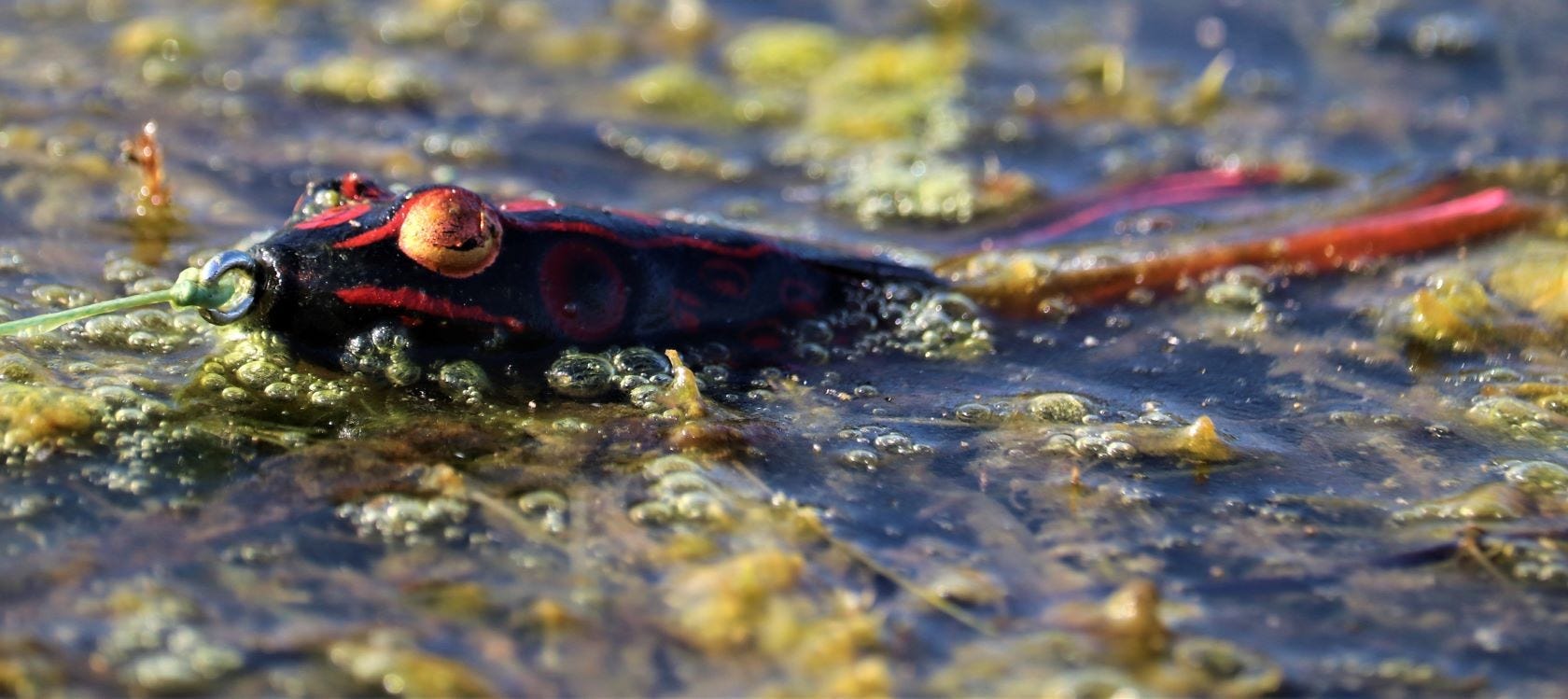
The Disco Ball Pad Crasher offers plenty of flash and an outstanding shad imitation, filling an important niche for late spring, summer and fall bass fishing.

You’ve seen how a disco ball splashes color across a dance floor. The Disco Ball Pad Crasher does the same with reflected light and the lake bottom. Doing its enticing dance, this bait suggests a distressed shad scurrying across the surface and is too much for bass to resist.

Disco Ball does not look like a typical frog, yet it’s an outstanding fit for the BOOYAH Pad Crasher. Let’s examine why BOOYAH has introduced the Disco Ball color and how you can use it to catch more fish from now through the end of autumn.

Read more

Posted in Freshwater Fishing, Bass Fishing Tips, Bass and Bass Fishing Tips

3 Wacky Rig Variations for Spring Bass

The traditional wacky rig, neko rig and flick shake rig are similar in ways, but each is distinctive. Learn when to choose each and how to use all to catch more bass.

You know the wacky rig, and you’ve likely at least heard talk about the neko rig and flick shake rig. You may not know that neko and flick shake rigs are variations of a wacky rig, each with different applications but with definite similarities.

Seeking a better understanding of these three highly effective rigs and when to use each for early spring bass fishing, we went straight to Frank Scalish, best known in the bass fishing world as Uncle Frank. The popular host of Day 4 on Bass Talk Live and former Bassmaster Elite Series pro uses all three rigs at times, with the depth of the water he is working being the largest determinant of which one he picks up.

Read more

Posted in Freshwater Fishing, Bass Fishing Tips and Bass Fishing Tips

How to Choose Fishing Floats & Use Them to Catch More Fish

Floats or bobbers come in many sizes and shapes and in fixed and slip-float configurations. This float fishing guide removes the mystery.

The mention of bobber fishing commonly calls up a mental image of an idyllic pond setting with a youngster watching a cork on the water’s surface. However, floats (commonly called bobbers) have come a long way. While the basic mechanics remain the same, many of today’s floats are designed to be more bite-sensitive, are created for specific purposes and are integral to many anglers’ arsenals.  

Depending on the intended angling technique, a float could be part the presentation for any freshwater fish. Bluegills, crappie, smallmouth bass, white bass, trout, bowfin and catfish are among the fish I have targeted with a float. The line-up of Thill Floats encompass a variety of floating bite-indicators for still-water, current, and long-distance casting.

Read more

Posted in Freshwater Fishing, Fishing Tips, Panfishing Tips, Trout Fishing Tips and Perch Fishing Tips

Bass Fishing 101: Matching the Hatch on Crawfish Colors

Learning more about crawfish colors based on region, conditions and season can help you catch more bass.       

Former Bassmaster Elite Series pro Frank Scalish, who now designs baits for Norman Lures and other brands available on Lurenet.com, is fanatical about matching the hatch. An artist with an airbrush, the Ohioan obsesses over paint colors and schemes that precisely mimic whatever forage the bass favor. Scalish’s attention to every detail and deep experience make him the ideal Bass Fishing 101 instructor on the topic of crawfish colors.

When Scalish creates crawfish colors for crankbaits, he becomes especially dogmatic because he strives to replicate the various crayfish species in different regions of the country.

“Certain crayfish dominate in certain parts of the country,” Scalish said. “For example, crayfish in Texas and Louisiana are all variants of red. The rusty crayfish is native to the Ohio River Basin. It has rust or orange-colored makings on its sides. The rest of that craw is green pumpkin or an almost blackish green pumpkin.”

Read more

Posted in Freshwater Fishing, Crappie Fishing Tips, Bass and Bass Fishing Tips