Free U.S. Shipping: Orders Over $35

Tagged with ' walleye fishing'

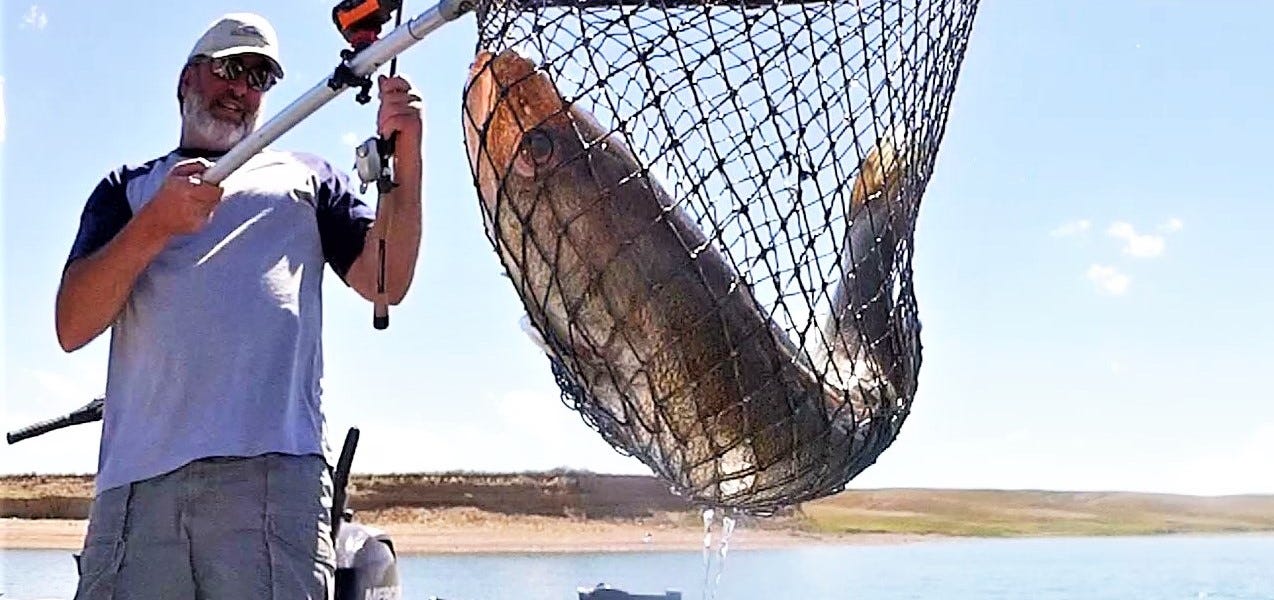
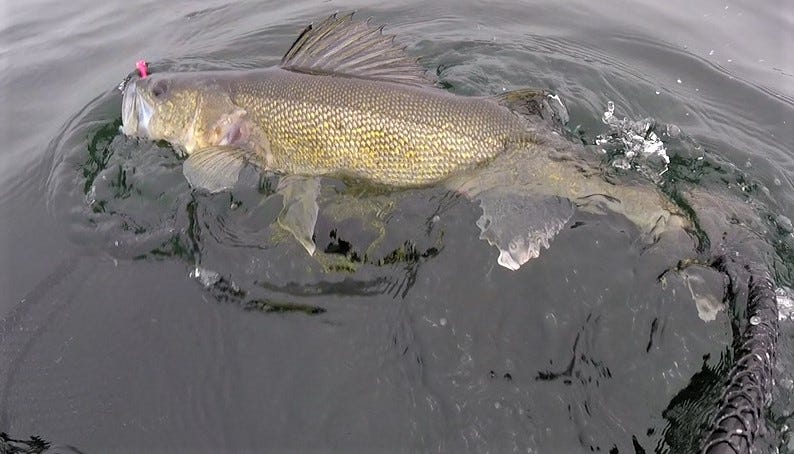
Understanding Fall Walleye Patterns

You’ve probably heard that fall walleye fishing is some of the best walleye fishing of the year. But why? We’ll answer that question and break down how you can make the most of the season’s opportunities.

Most everyone in the walleye world knows that fall is the walleyes’ season to bulk up. This is their time to put on the feedbag and build fat reserves for the upcoming winter and to grow their eggs before spring. The finicky walleyes of summer are gone. But what does that mean to your fall walleye fishing plans? Just because walleye are on the feed doesn’t mean they will jump in the boat. You still have to find them, target them and execute a plan.

First, let’s define the season. Fall walleye fishing does not wait for the calendar to say Sept. 20, nor does fall walleye fishing start when the leaves on the trees start to turn. It starts quite a bit sooner in the northern half of the continent.
Read more

Posted in Freshwater Fishing, Walleye and Walleye Fishing Tips

Proven Walleye Tips for Intercepting Fish on the Move

Learn when to use spinners and related rigs to counter walleye movement and catch more fish.

Walleyes are famous for their nomadic roaming tendencies. Walleye movement is depicted with phrases like, “Here Today—Gone Tomorrow,” or, my favorite, “They don’t have a mailbox.”

Whether you chase walleyes in the Great Lakes, in smaller natural lakes, or in reservoirs, decades of old angling wisdom addresses the roaming ways of walleyes with presentations designed specifically for covering water. One of the time-honored traditions for intercepting walleyes on the move is to cover water with live bait harnesses, using spinners and action floaters.

Read more

Posted in Freshwater Fishing, Walleye and Walleye Fishing Tips

Spring Walleye Fishing Tactics: Locating, Jigging & Rigging Early Season Eyes

Locating high potential walleye areas and choosing the most effective bait presentations will increase your opportunity to enjoy great early season walleye action.

Spring walleye fishing can produce of the best walleye action of the year in the upper northern US and southern portions of Canada. Water temperatures are rising, and the fish are starting to move shallow for their yearly spawning cycle. This cycle can start weeks prior to the actual spawn and can stretch a week or two after walleye have spawned out. Spring walleye fishing can produce tremendous action, but timing the bite is important and a few key factors can help you determining when to hit the water and when to wait.

Once female walleye spawn out, they transition between the spawning locations and summer hunting grounds. This tends to be the most difficult period for many walleye anglers. Knowing how to recognize the “fish highways” during the transition will give you the upper hand on the walleye.

Read more

Posted in Freshwater Fishing, Walleye and Walleye Fishing Tips

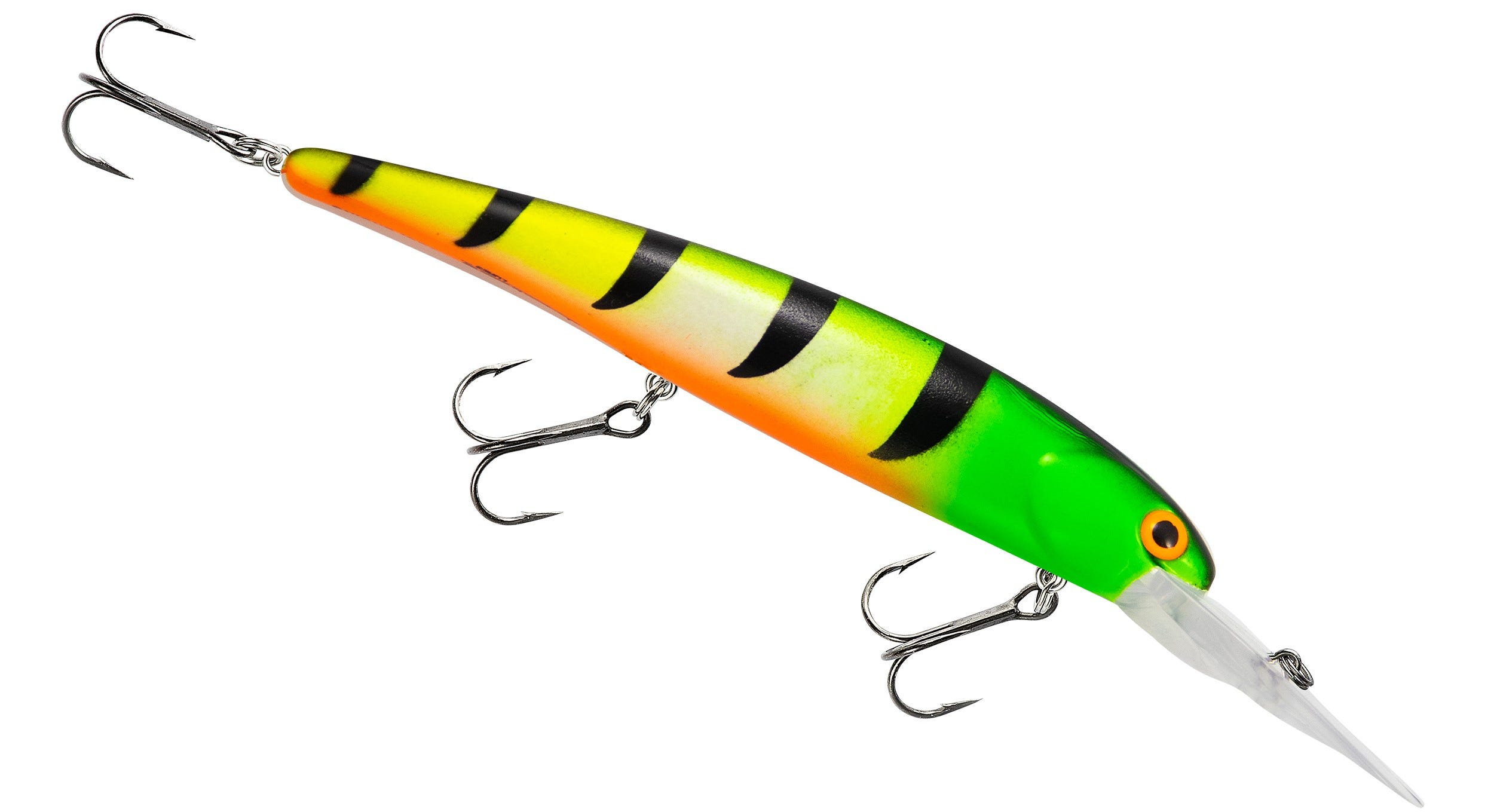
Bandit Does it Again! The NEW Suspending Minnow Walleye Crankbait for 2022 – Bait School Bite Spec

Bandit Lures’ newest walleye lure opens a once-secret strategy to every angler and provides a highly valuable walleye trolling lure, especially during the pre-spawn period.

A lure designed for trolling, but also engineered to suspend in the water column? With trolling being a generally steady approach, it might seem like those concepts contradict one another.

In truth, a suspending lure is critical to innovative strategies used secretly for many years by select walleye anglers in the Great Lakes Region and Zander anglers in Europe. Until now, these anglers had to custom weight their favorite Bandits to suspend, which is a touchy process when lures must remain properly balanced and true running to be effective, and it is not something most anglers would want to take on.

That’s why in-the-know anglers have been begging Bandit for suspending version of their favorite trolling lure and what led to the development of the Bandit Suspending Minnow. Let’s take a closer look.

Read more

Posted in Freshwater Fishing, Walleye and Walleye Fishing Tips

How to Roll Rocks for Hot Walleye Action

This often-overlooked strategy for trolling or casting crankbaits convinces tentative walleyes to bite and makes aggressive fish even more aggressive.

Rolling Rocks.

I’m not referring to the green-bottled beer (sorry Pennsylvanians), but to physically rolling submerged gravel and cobble with crankbaits. Dredging is another term applied to this high-action approach. How do you roll rocks with a crankbait? Velocity, plus depth!

Typically, a power trolling technique, rolling rocks is also a method used by savvy shore anglers and river waders. The “rolling rocks” terminology is quite literal. The goal is to pull the crank with enough velocity that it hits the rocky bottom so hard that the diving lip flips small rocks up and out of the way, plowing a mini furrow in the gravel bottom. Whether you are fishing a pea-gravel bottom or something bigger—marbles, cobble, baseballs, or even melons—instead of the norm of ticking those rocks, this technique begs you to SLAM into the rocks. It’s true that the bigger stuff doesn’t get rolled by the lure, but that’s not for lack of trying!

Read more

Posted in Freshwater Fishing, Walleye and Walleye Fishing Tips

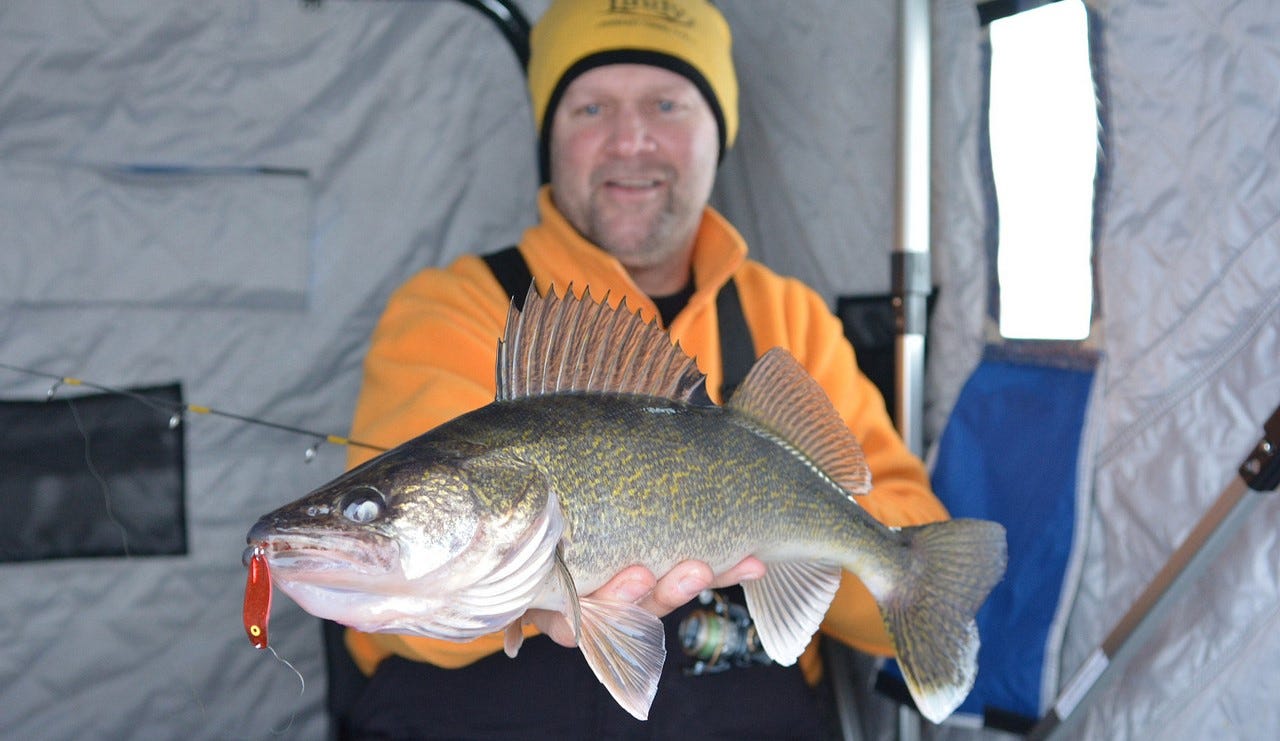
Top Strategies for Early Ice Walleyes

Fish Ed TV host Jon Thelen offers insights on the factors that influence walleye behavior early in the ice season and how to use that knowledge to find fishing success.

“For the most part, they’re in the same places we left them in the fall when we were in boats,” Jon Thelen said about early ice walleyes. “They tend to be tighter to the shoreline, using main lake points, the first breaks out, and any weeds that are hanging on.”

Two primary factors influence the walleyes’ locations during the first part of the ice season, according to Thelen, who has made a lifelong study of fishing in the North Country and who makes his living teaching others how to catch more fish through Fish Ed TV. First, they follow food sources. As importantly, they are influenced by human activity – specially, fishing pressure – atop the ice.

Early ice offers some of the best opportunities of winter, and it’s a time that many anglers anticipate from the time the safe ice goes away at the end of the previous winter. Ice season will be here soon, so we asked Thelen for insights about how to find and catch the most walleyes during the first part of the ice season.

Read more

Posted in Freshwater Fishing, Tournament News, Ice Fishing, Walleye, Fish Ed. and Walleye Fishing Tips

Live Bait Strategies for Catching More Walleyes

Sometimes it’s tough to top trust live bait presentations for putting walleyes in the boat or on the bank.

As both hardbaits and soft plastics have gotten better and better you might conclude that live bait is an archaic throw-back to an earlier era; something you don’t really need in a modern walleye arsenal. Not so fast. There are still times and places to bring out the bait bucket – or more likely nowadays – the bait carton or Bait Tamer. And as proof, the renowned Ranger boats tournament walleye models come factory equipped with a Lindy Bait Tamer for the livewell. That’s not an accident!

And this article isn’t talking about aggressive bait approaches like big baited spinner rigs or the various spinning “death” hooks to make bait appear more active. No, this article encourages you to create your own modern incarnation of subtle bait presentations—ways to take a slip bobber or plain-hook bait rig into the modern walleye scene.

Read more

Posted in Freshwater Fishing, Walleye and Walleye Fishing Tips

Trolling Tips to Help You Catch More Walleyes

Learn the details of a professional walleye anger’s set-up and technique to improve your walleye trolling success.

While interviewing walleye tournament pro Sammy Cappelli, I recalled early childhood memories of accompanying my father on walleye trolling outings. Dad’s 5 1/2-foot solid steel rod sported a knuckle-buster casting reel spooled with black Dacron line, to which a Flatfish was attached, along with two dog-ear clamp-on sinkers squeezed tight to the line.

My gosh, how walleye trolling has changed since the 1950s! The only thing in common between then and now was dad and Cappelli both cut their walleye-fishing teeth on Pymatuning Lake on the Pennsylvania/Ohio border!

Read more

Posted in Freshwater Fishing and Walleye

How to Dial in Your Walleye Trolling Lure Selection

We’ll explore the most important factors to consider for stocking your walleye box and picking the lures to pull any given day.

“When the weather is sunny, use silver lures, and when the weather is cloudy, use gold lures. If that doesn’t work, do the opposite.” Old Angling Myth

Ah, to have such a simple choice: Silver or gold? The characters who coined the myth clearly didn’t have the wide gamut of options we have nowadays. In addition to color, add in shapes, sounds, sizes, actions, running depths and more, and the number of possible meals on the menu is almost mind-boggling. Still, we all have our ways to decide what to snap on the end of our lines.

Read more

Posted in Freshwater Fishing, Walleye and Walleye Fishing Tips

Catch More Walleye by Controlling Crankbait Depths

Several methods can help you troll crankbaits at specific depths, which can be critical for getting walleye to bite.

Doesn’t take long for it to be clear: crankbait fishing – particularly crankbait trolling – is a depth-control game. Whether you are targeting walleye in the bottom zone or suspending well above bottom, to catch them consistently you want to present your lure in their faces!

Walleye generally aren’t slashing or attacking type predators as much as they are stalkers. They just don’t typically streak away from the depth they are using to smash your crank.  In my circle of friends, we call it a “glom on” bite when they slowly “glom on” as your bait wiggles past. It’s the most common type of walleye bite and results from their reliance on big teeth to hold prey until they swallow. They don’t need to run baitfish down or smash them. They just need to glom on!

Read more

Posted in Freshwater Fishing, Walleye and Walleye Fishing Tips

How to Troll for Walleye with Crankbaits - 8 Top Late Season Tips

Targeting late season walleye can be brutally cold, but the fishing can be red-hot, which is why knowledgeable anglers continue to troll for walleye even after fall has realistically given way to winter’s grip.

By Jeff Samsel


Ice locks in many northern lakes, and winter winds deem the biggest waters unfishable some days. When and where you can get out, though, late-season walleye fishing can be outstanding, with trolling for walleye with crankbaits often yielding the best results and the strongest prospects for trophy fish.

Paul Castellano of Cast Adventures guides on the Lower Niagara River and lakes Ontario and Erie for a variety of sportfish species. Late in the year, when conditions get right near the mouth of Lower Niagara, he spends a lot of time trolling for walleye and connects clients with large numbers of trophy fish.

We asked Castellano for tips on how to successfully troll for walleye with crankbaits late in the year and continuing through the winter. Some tips are season specific. Others are important year-round.

  1. Pay Attention to Forage

You’ve heard it before, and not only about late-season walleye, but it is absolutely critical to this situation. Walleye generally aren’t relating to structure or cover this time of year. They suspend and follow food, primarily open water baitfish species.

Paying attention to forage becomes extra important when you’re talking about trolling a crankbait like a Bandit Walleye, a Smithwick Rogue or a Bomber Long A because these lures are designed to imitate baitfish.

The location and depths of schools of gizzard shad, alewives and shiners dictate not only where Castellano trolls, but also his trolling depth range and the sizes, shapes and colors of lures he fishes first.

  1. Look for Current

Current is critical to Castellano’s late season strategy because the baitfish just mentioned relate heavily to moving water. Beyond drawing baitfish, current positions both the bait and the walleye predictably and prompts the walleye to feed more actively.

The Lower Niagara and areas that are close enough to the mouths of the Niagara, Welland Canal and various smaller Lake Ontario tributaries to be significantly affected by current become very important late in the year.

  1. Consider Water Color

A change in water color in key areas signals the start of the best late-season walleye bite for Castellano and actually helps trigger the action. After heavy fall winds and resultant waves stir up Lake Erie – typically during late fall – the off colored water dumps into the Niagara and Welland Canal.

When the dark water finds its way to Lake Ontario, baitfish are drawn to the stained water, which is more readily warmed by the sun. The walleye move in for the buffet and feed more actively in the off-colored water, where they can ambush prey effectively.

Specifics vary by waterway, but anywhere wind, rainfall or current create stained areas adjacent to substantially clearer areas, the walleye tend to feed more actively in the stained water or along the edge than in the clear water.

  1. Slow Trolling Speeds

Speed is a critical factor any time you troll for walleye with crankbaits, and Castellano’s approach to speed always involves experimentation, altering speeds on a regular basis and paying careful attention to his precise speed every time a fish bites. “Speed is huge,” Castellano said, “and even a slight change of speeds can make all the difference.”

While patterning the most productive speed is an ever-present consideration, the major difference late in the season is that the range of trolling speeds Castellano works within is slower. The baitfish are naturally slowed in the cool water and slower trolling speeds offer a more natural match for the behavior of the forage – along with lessening the need for walleye to chase. Castellano will troll as slowly as 1 mph this time of year and will mostly work within a 1.3 to 1.6 mph range.

  1. Mix it Up

Because of quickly changing conditions from winter’s parade of cold fronts and due to the variety of baitfish species using areas, walleye can turn very picky late in the year, ignoring normally productive lures and devouring others. Castellano experiments with lures that offer a big range of shapes and swimming actions, as well as mixing up colors. He then pays careful attention to which lures get bit and continues to refine the pattern as the day progresses.

8 Great Crankbaits for Walleye Trolling

Bandit Walleye Deep

Smithwick Perfect 10 Rogue

Bomber 24A

Cotton Cordell Ripplin’ Red Fin

Bandit B-Rotan

Norman Deep Little N

Bomber 15A

Cotton Cordell Magnum Walleye Diver

Beyond experimenting with lures to find the right shape size and action, Castellano often varies leaders, especially after he has figured out the right lure. He runs braid on his reels and will go all braid for some lines and add a section of mono leader to others, having found this to slightly alter the running depth and action of the same lure. If the ones rigged one way start getting all the bites, that is important patterning information that can help him catch far more fish that day.

  1. Standardize Rods & Reels

As much as Castellano advocates changing speeds, baits, colors and other details to pattern fish, he is equally adamant about keeping certain controls constant in order to best see what is making the difference. He wants the same action for all of his rods so he can see differences in how baits are moving and detect subtle strikes. He also uses all line counter reels that have been carefully calibrated because knowing exactly how far back each crankbait is running is critical to efficient patterning, which is the key to catching most fish.

  1. Use Scent Sense

Castellano is a major advocate of adding gel or spray-on scent to crankbaits, and he considers this extra important through winter when cold fronts can make fish more tentative.

The scent serves a two-fold purpose for Castellano, with the most obvious being an attractant to make a crankbait seem more like food.

The second purpose, which he considers equally important, is to cover any negative unnatural scent that might be on his hands. While the walleyes don’t seem to be line shy during winter, which is something many people worry about, Castellano has found the smell of gasoline, sunscreen or a host of other impurities on the hands of someone who is handling crankbaits to have a major negative impact on fishing success.

  1. Handle With Care

Fish handling might not affect today’s fishing, but it affects things in the big picture when you’re catching big fish that are potentially important spawners.

“Late-season fish are very heavy because they’ve been gorging on so many baitfish,” Castellano said. “When they are held vertically, they can’t always support the weight of their bodies and it can cause dangerous tearing around the gills.”

Castellano said that walleye always need to be supported horizontally when they are being unhooked and for photos. He suggests measuring fish instead of weighing them, believing that offers a better gauge of quality anyway. If fish are to be weighed, he suggests using a scale with some type of cradle.

Ready to Go?

Please visit Lurenet.com for all these lure selections above and to view more how-to content.

Posted in Freshwater Fishing /* @noEscape */ /* @noEscape */

Big Walleyes from the Bank

Better from the bank?

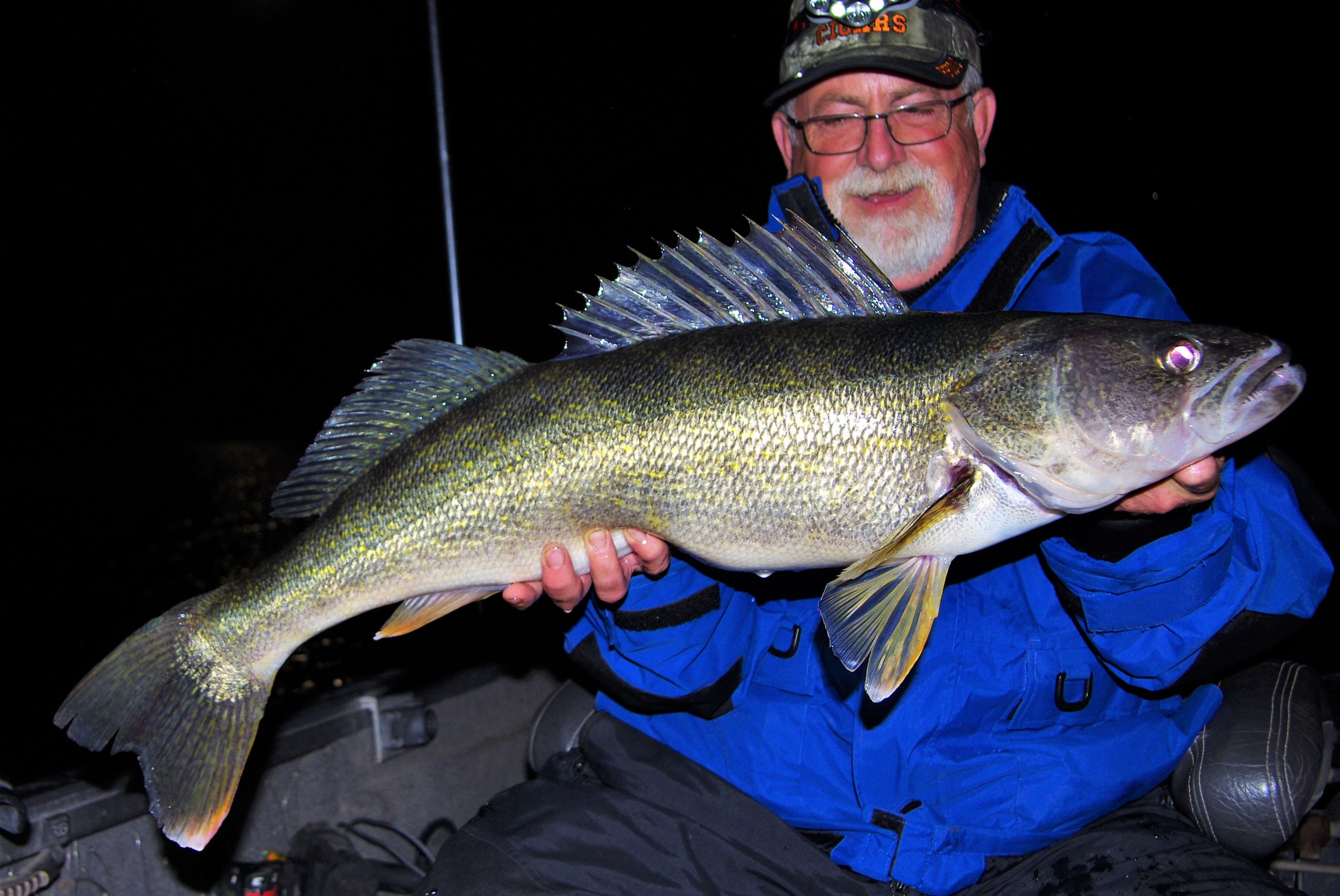
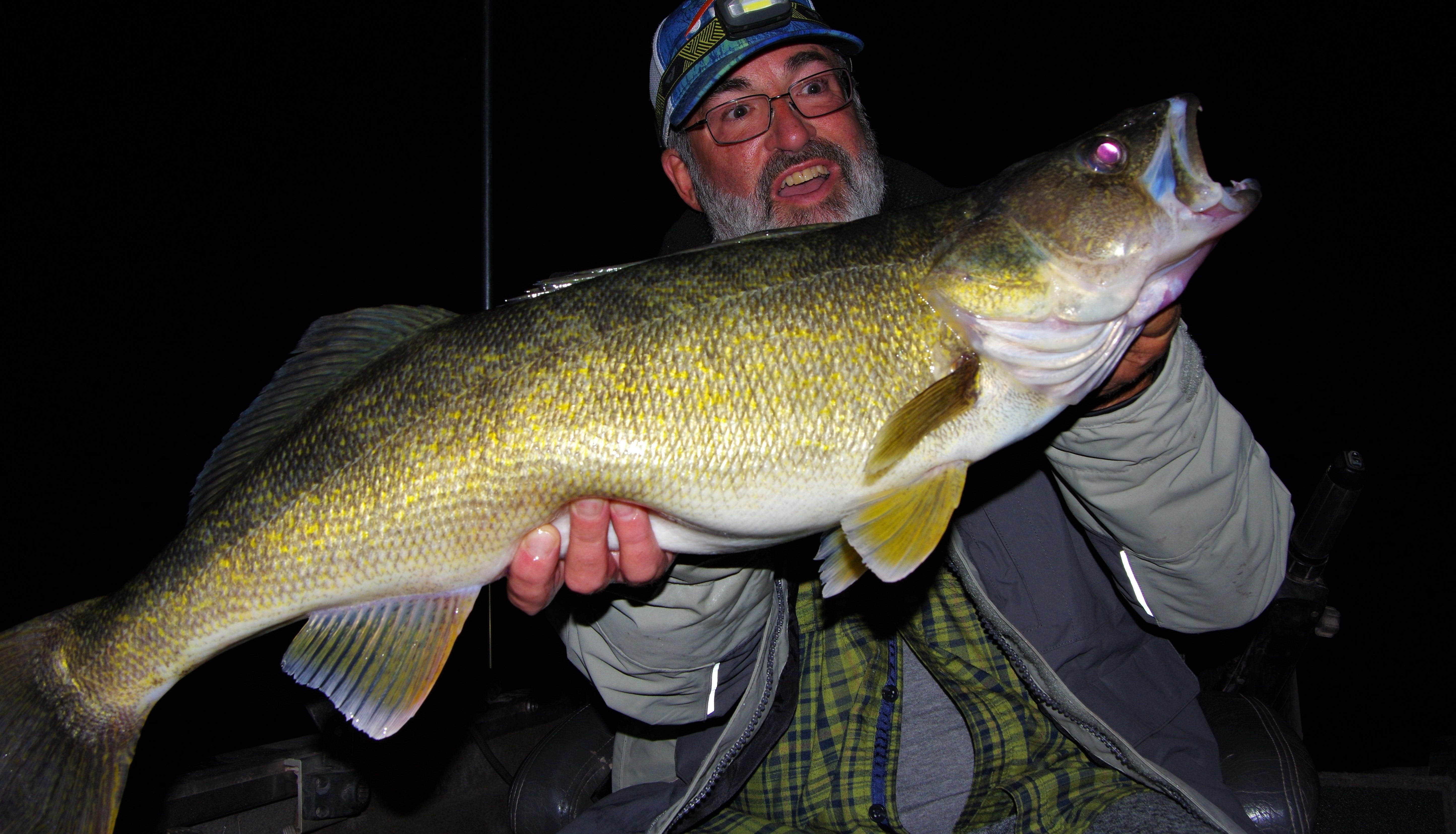
Many areas provide quality fishing access to anglers who don’t own boats. Often, though, these seem like bonuses, where shoreline anglers “also” can enjoy fine opportunities. The fall walleye night bite contrasts this notion. In many places bank fishing or is substantially better than boat fishing and provides outstanding big-fish opportunities.

On autumn nights walleyes push surprisingly shallow to feed. Moving tight to the shore in many lakes and onto bars at the heads of holes in river, they get in spots that would be difficult to work effectively from most boats and where navigation could be treacherous after hours. Anglers who work from the shore, or occasionally by shallow wading, but still on foot, can fish key zones very thoroughly.

Read more

Posted in Freshwater Fishing and Walleye